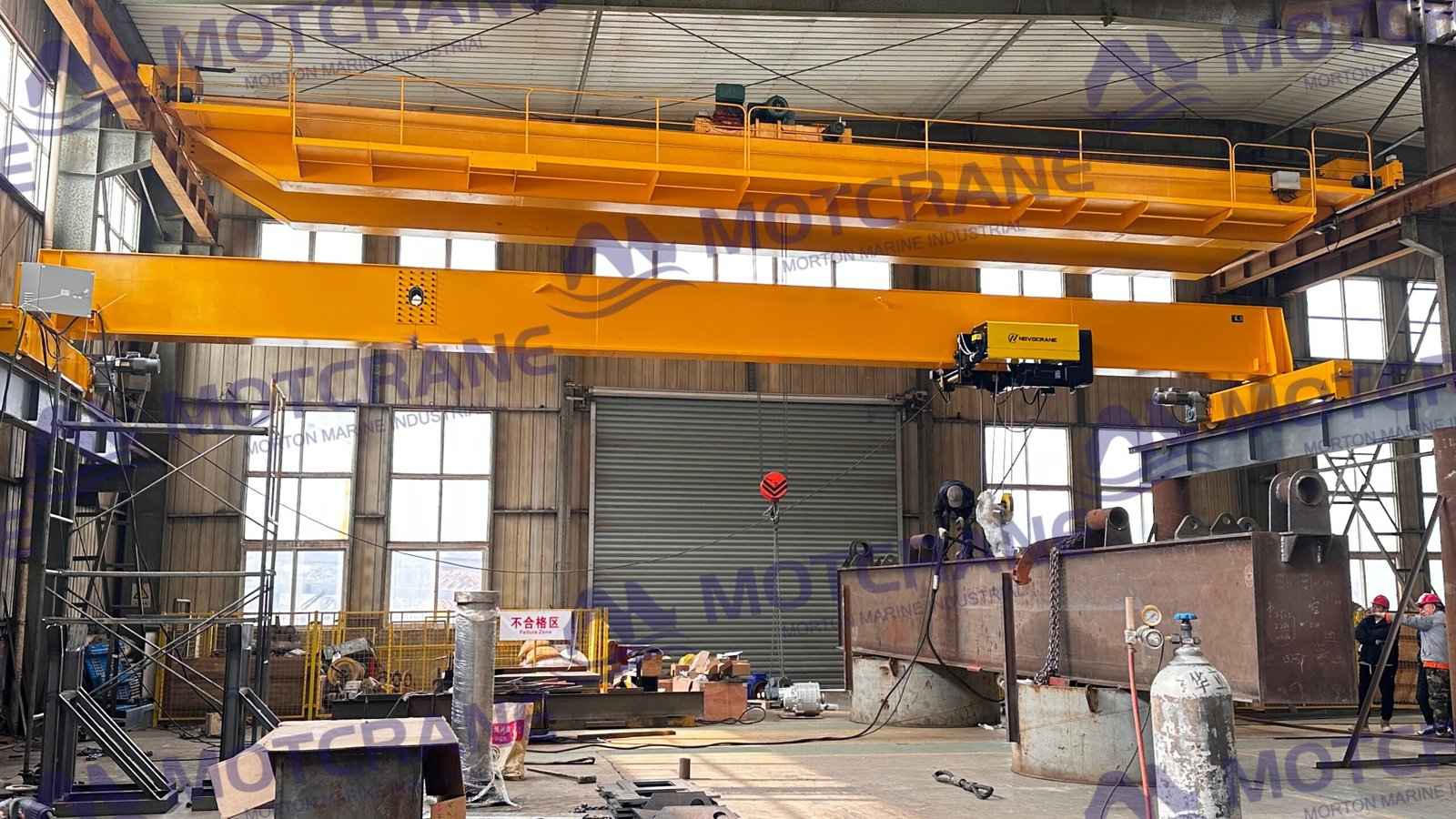
What is the difference between single girder and double girder overhead cranes?
Single Girder vs Double Girder Overhead Crane: What Is the
8+ Years of crane experience|Global delivery and technical support
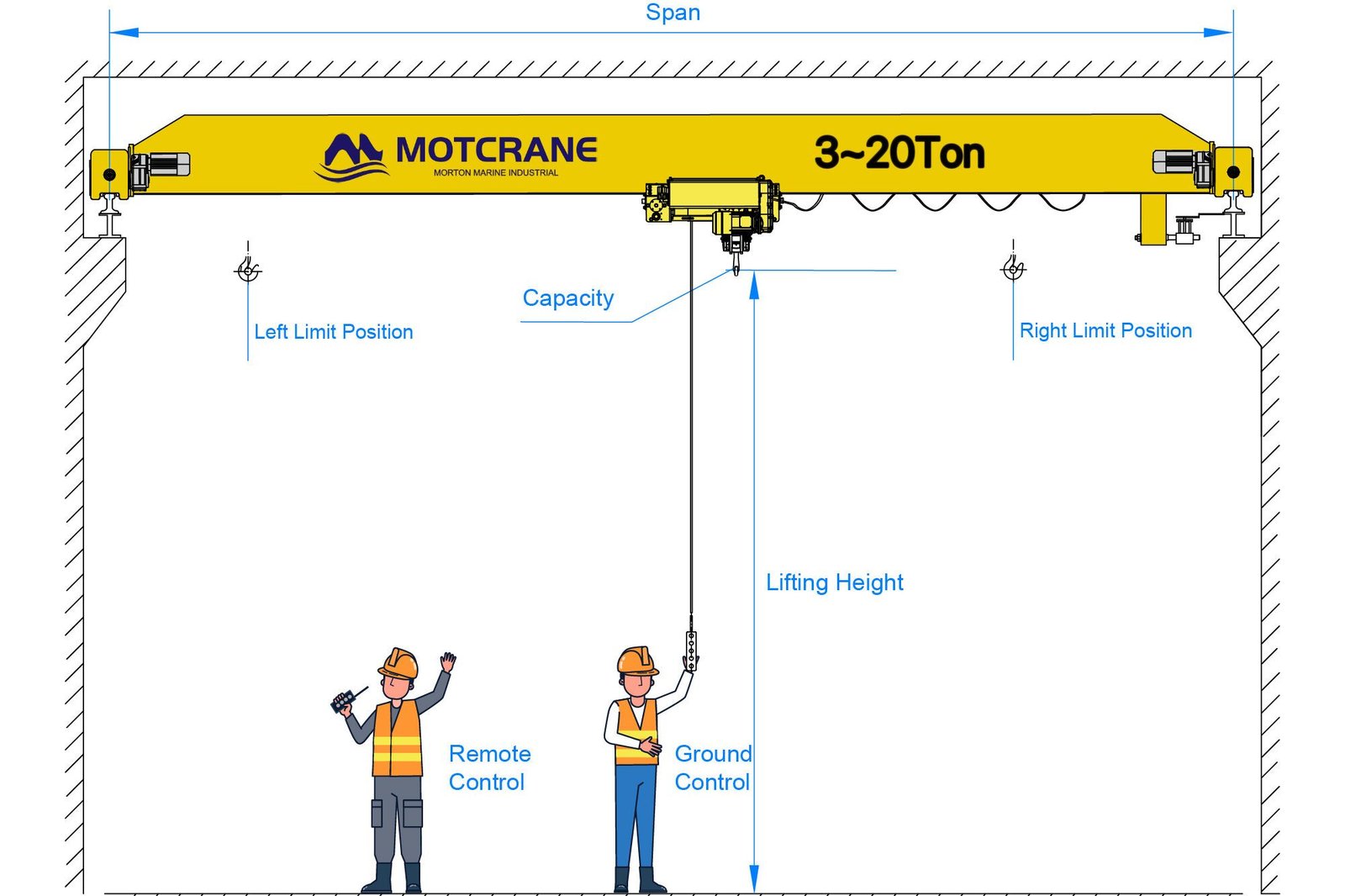
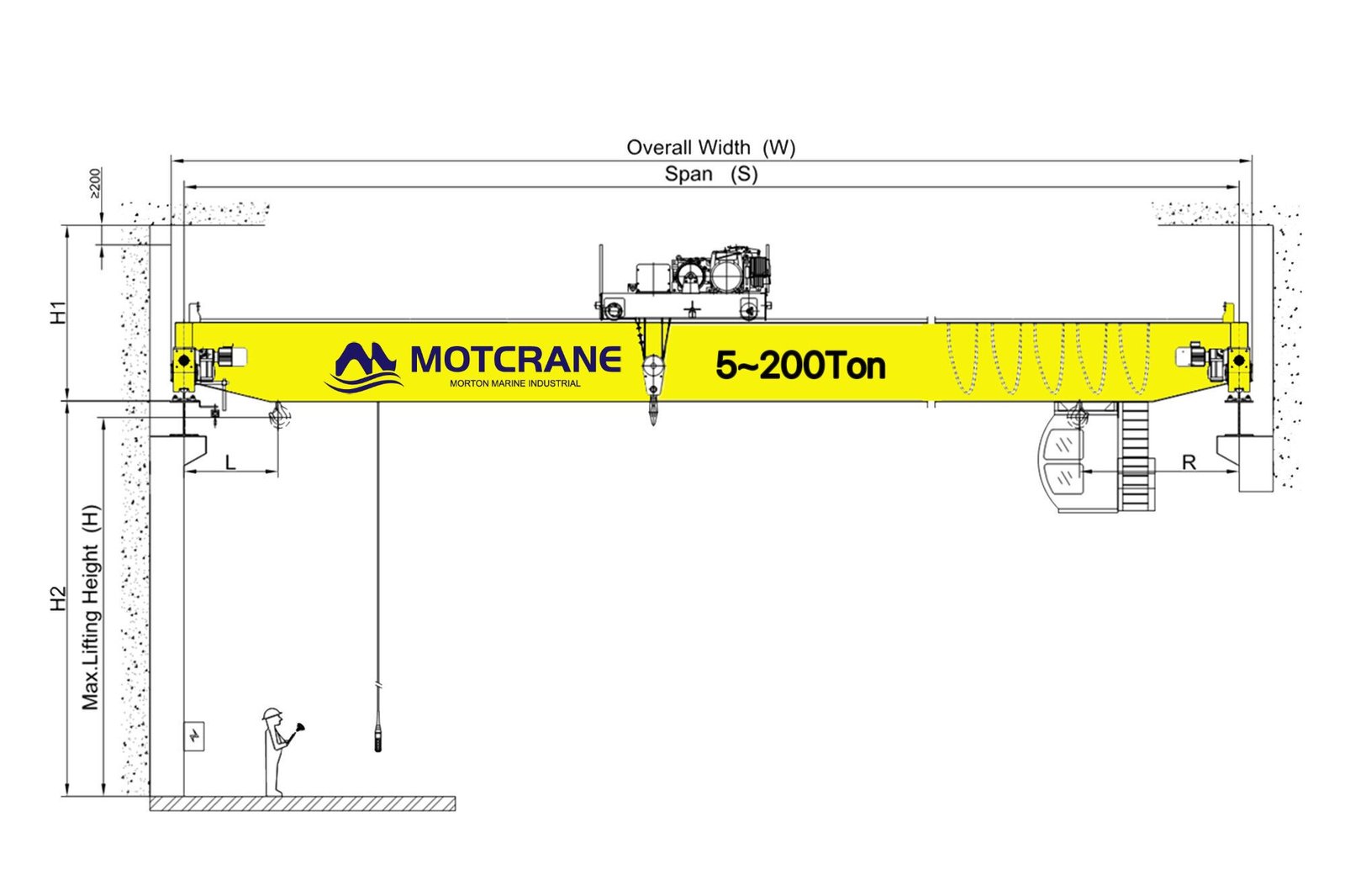
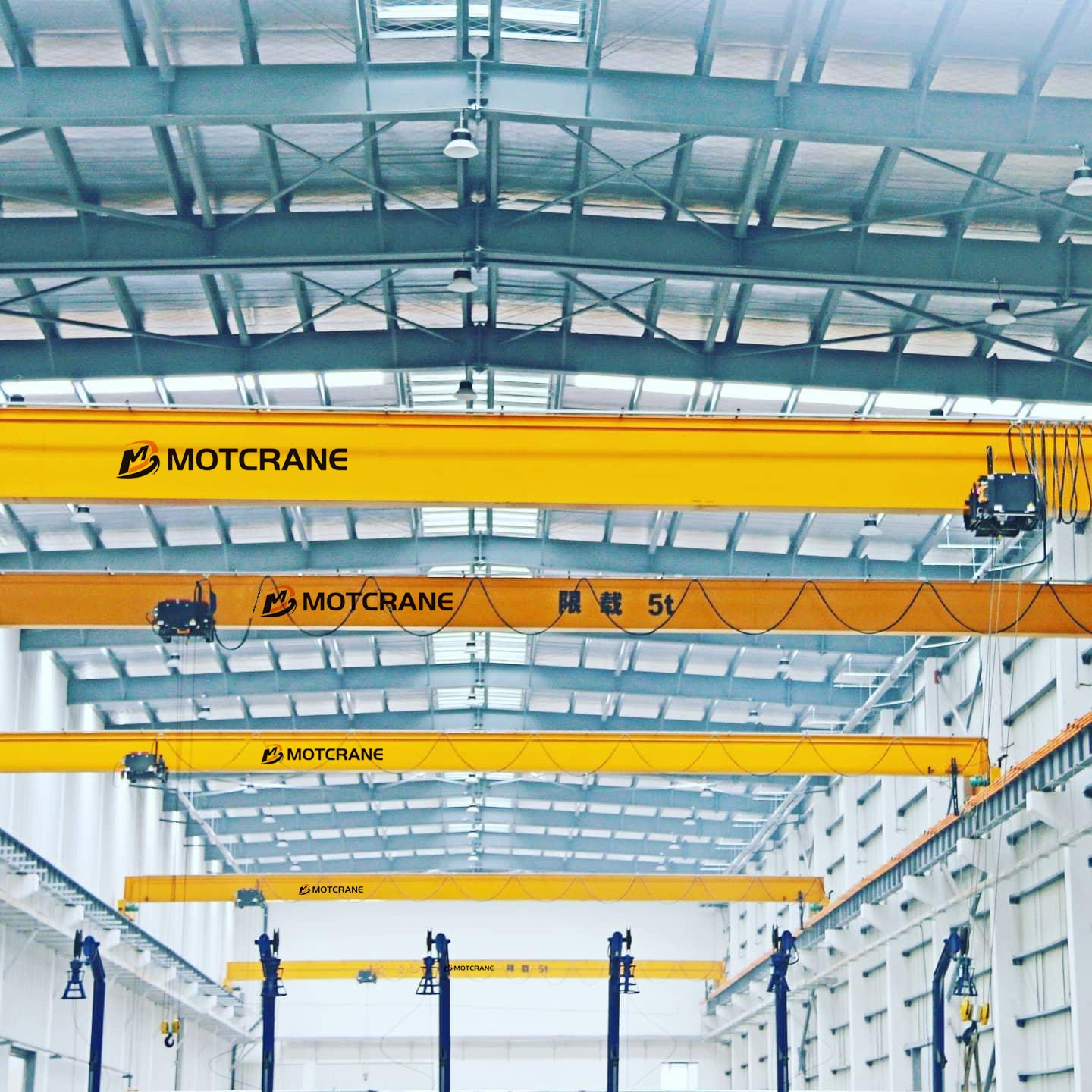
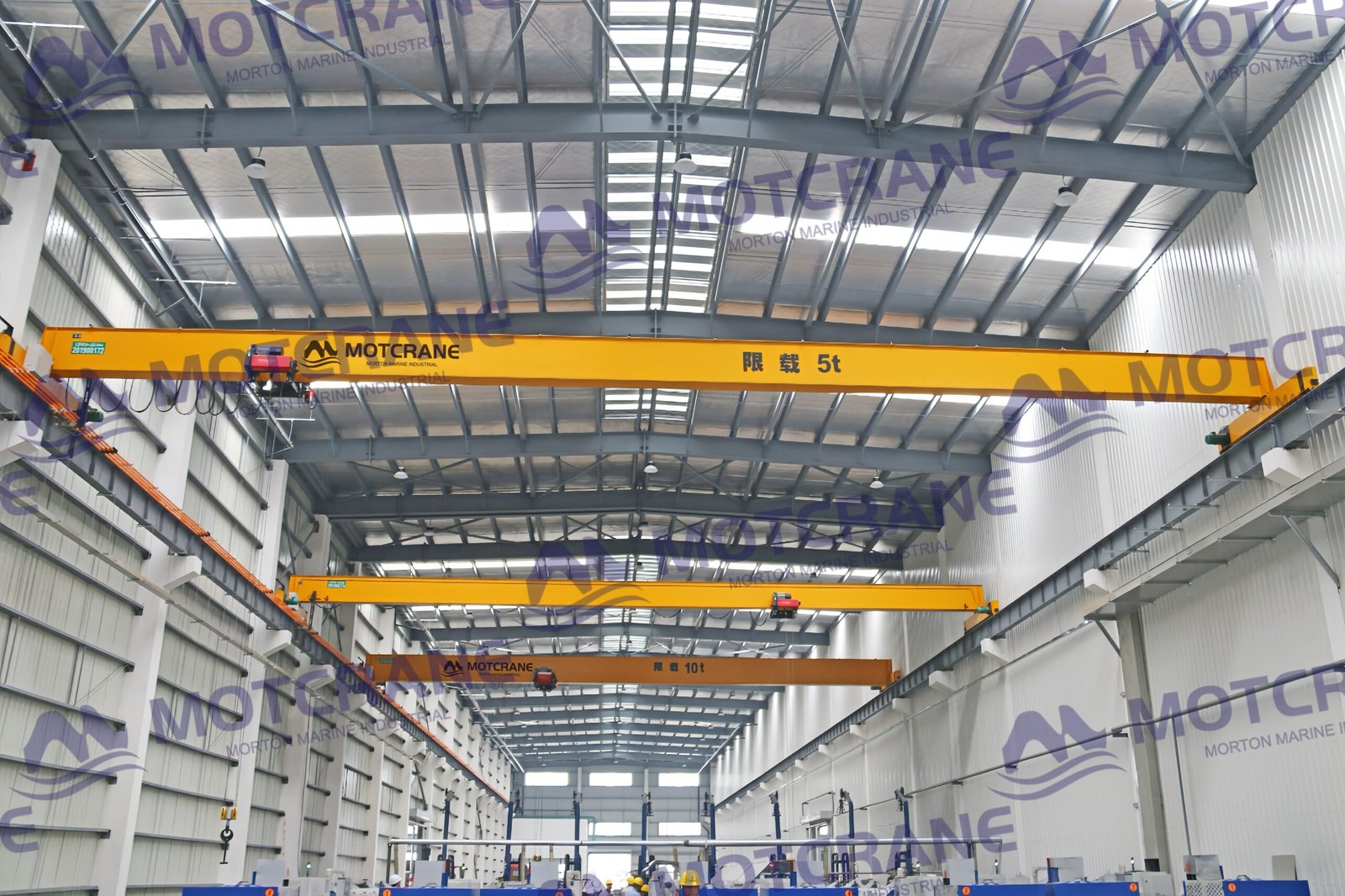
An overhead crane, also known as a bridge crane, is a critical piece of lifting equipment used in industrial facilities to handle heavy materials. It runs along overhead tracks, enabling precise movement of loads in three directions—longitudinal, transverse, and vertical—across the entire work area.At MOTCRANE, overhead cranes are not standardized products. Each system is designed based on specific project requirements, taking into account factors such as workshop layout, available installation space, and frequency of use. Based on these conditions, we recommend single-girder or double-girder structures and select remote control, cab, or intelligent control solutions according to actual operational needs, while matching the appropriate lifting capacity, span, and duty class to ensure the equipment is suited to the specific working conditions.
Only by fully considering actual operating conditions and usage requirements can a bridge crane system achieve stable operation, efficient material handling, and long-term reliability. In actual engineering projects, installation space is often the key factor determining the solution. For example, in one project, the client originally planned to install a 20-ton double-girder bridge crane, but the available installation height on-site was only approximately 1.3 meters, which did not meet the requirements for a double-girder structure. Consequently, the solution was adjusted to a single-girder crane. Such cases of optimizing structural configurations due to space constraints are relatively common in the retrofitting of existing factory buildings.
We help control the overall project cost by configuring the crane around actual lifting needs, instead of simply using oversized or unnecessary specifications.
For overhead cranes used in daily production, reliability depends on the right combination of hoist, motors, electrical system, and duty class. MOTCRANE focuses on practical configurations that support stable operation over long-term use.
Every workshop has its own limitations. Rather than selecting a crane based only on lifting capacity, MOTCRANE evaluates available installation space, workshop layout, and actual operating requirements to develop a practical lifting solution.
Suitable for both new workshops and factory upgrades
Optimized for limited installation height and space constraints
Designed around actual lifting requirements and working conditions
Real Project Example:
A customer originally planned to install a 3-ton double girder overhead crane. However, the available installation height was only 1.3 meters, making a double girder configuration impractical. After reviewing the site conditions, the solution was adjusted to a single girder overhead crane, allowing the required lifting capacity to be achieved within the available space.
Overhead cranes are available in different types based on design, capacity, and working conditions. Each type suits specific workshop layouts and applications. Explore the common options below to find the right solution.
MOTCRANE provides overhead cranes from 1 ton to 100 tons, including 5 ton, 10 ton, 20 ton, 32 ton, 50 ton, and customized heavy-duty crane solutions.
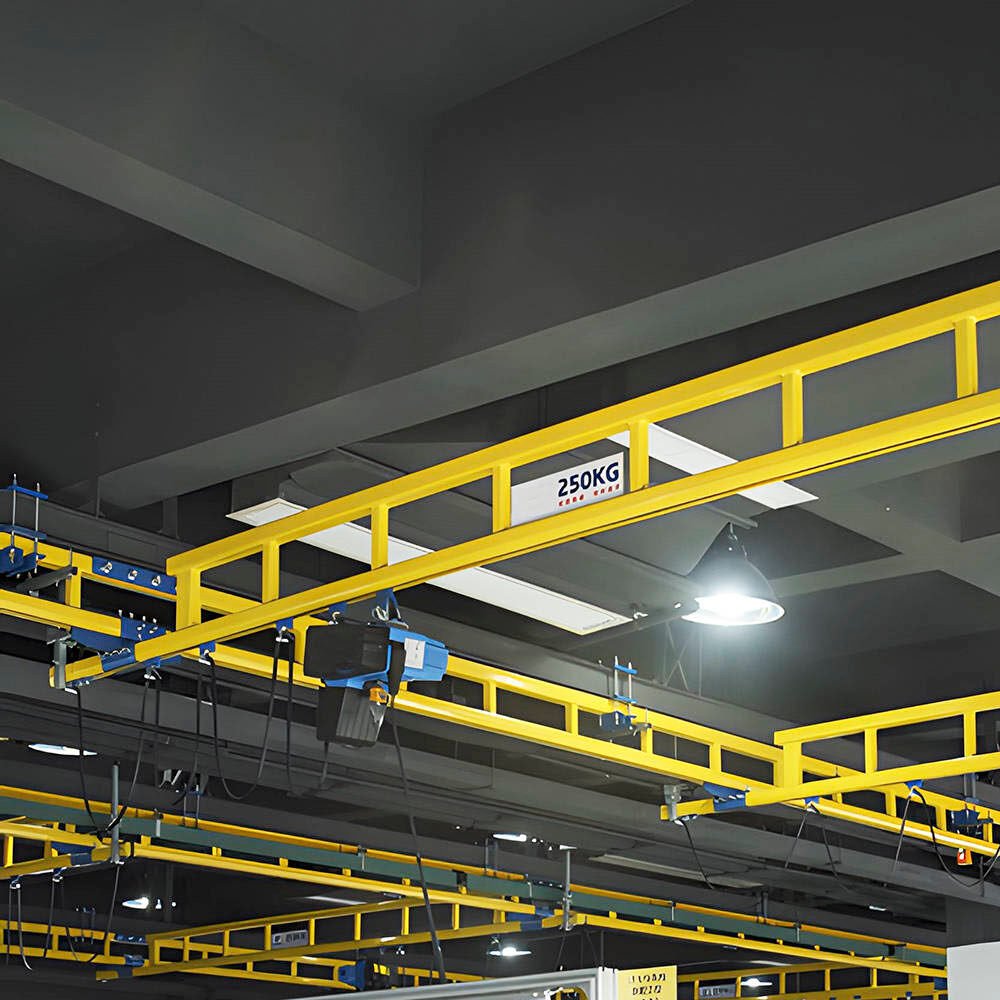
Workstation overhead crane, also known as Free Standing Bridge Crane, is a variant of the overhead crane, suitable for frequent
Underslung cranes, as its name suggests, features a suspended main girder design,a type of light and small lifting equipment. This
Free Standing Bridge Crane, also known as Free Standing Overhead Crane or workstation overhead crane, is a variant of the
Double Girder EOT Crane is one of the configurations of the double Girder overhead crane,it’s a lifting equipment that is
The FEM Standard Overhead Crane is a European-style overhead crane that has been independently developed by integrating advanced European design
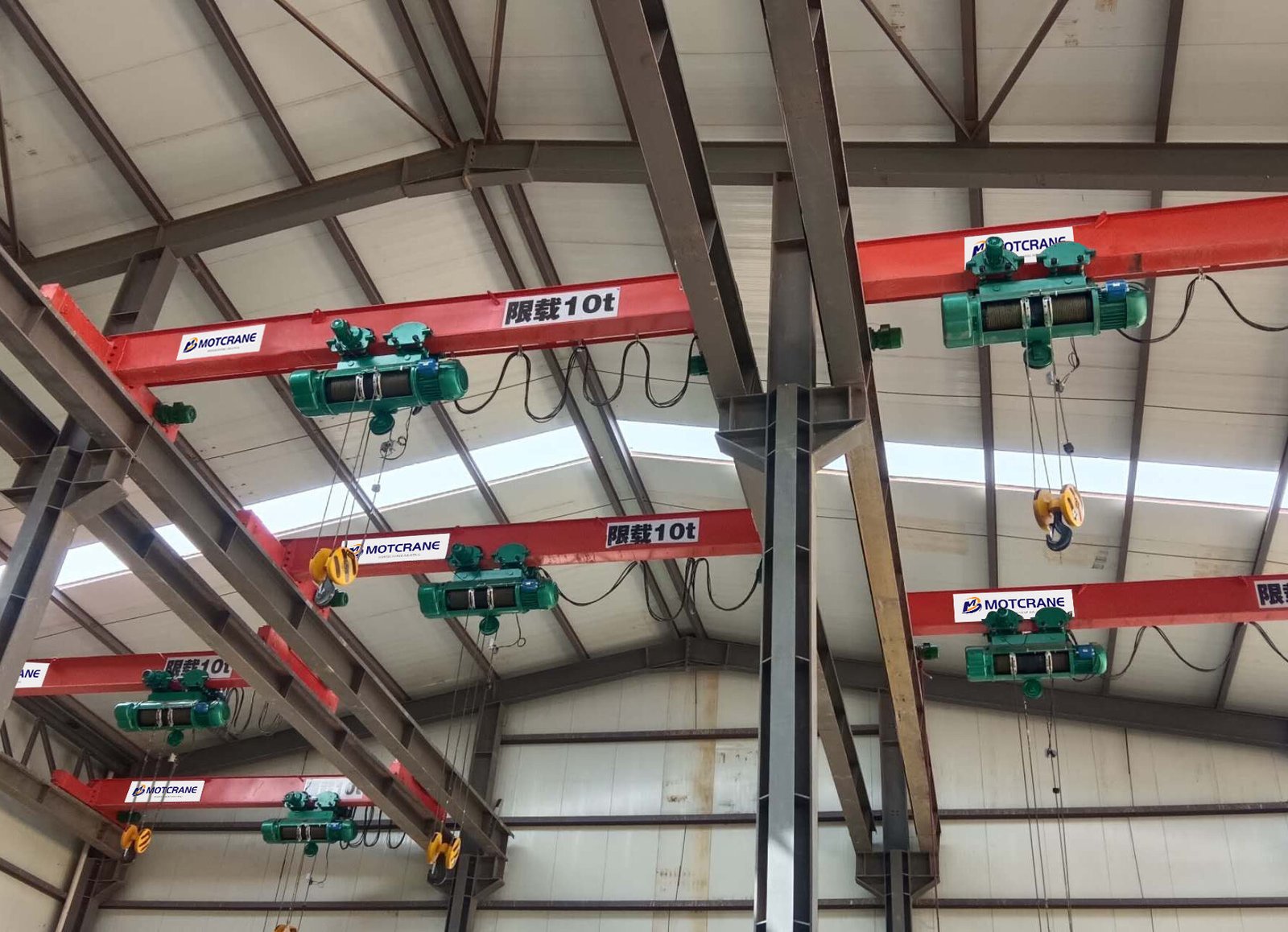
Single Girder EOT Crane,a lifting equipment that is horizontally suspended above workshops, warehouses, and material yards for material lifting,designed in
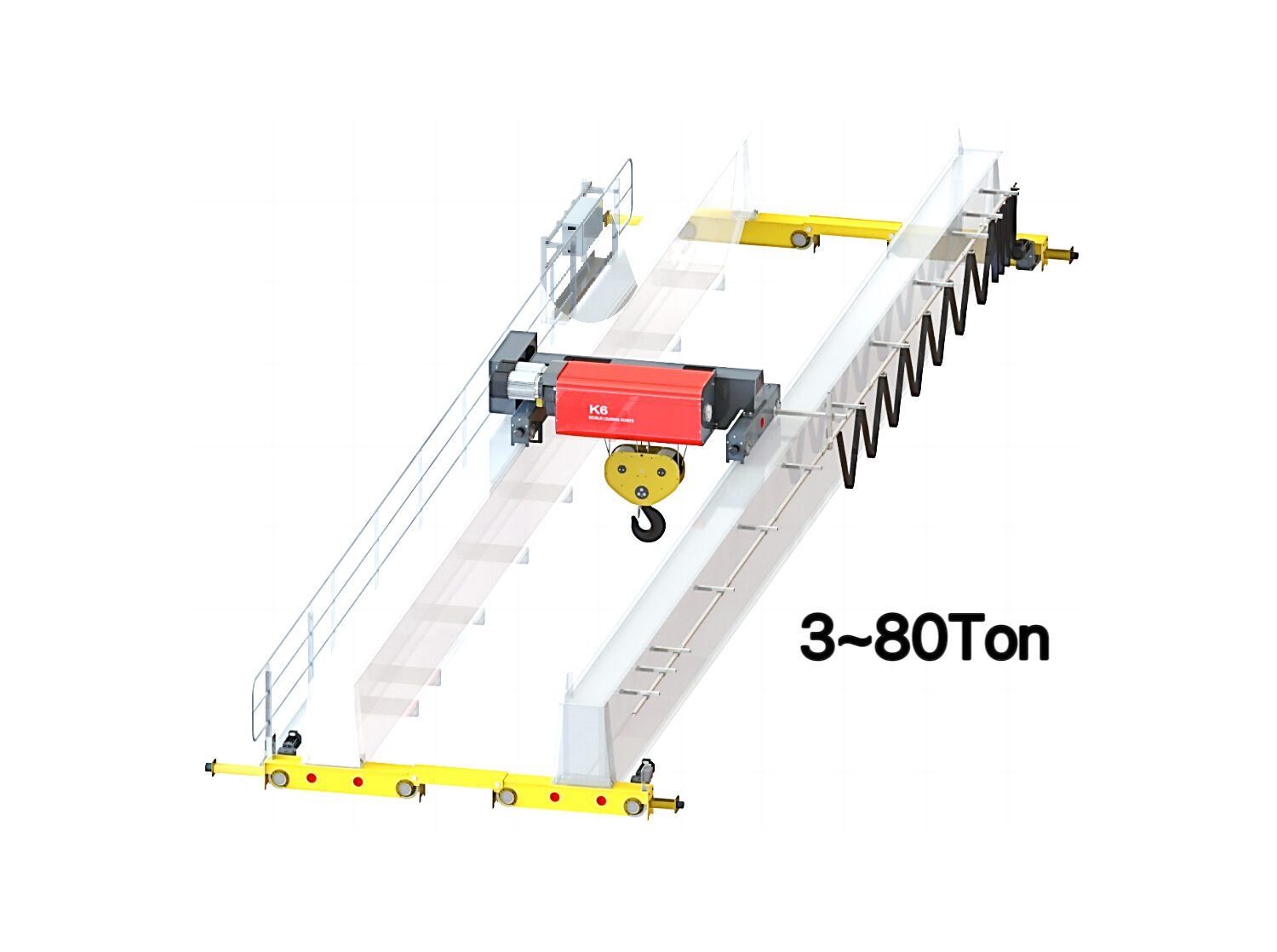
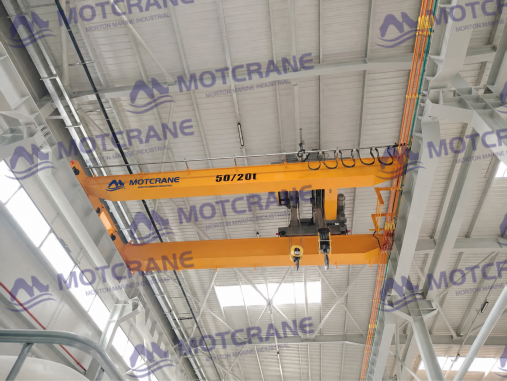
Double Girder Overhead Crane is a lifting equipment that is horizontally suspended above workshops, warehouses, and material yards for material
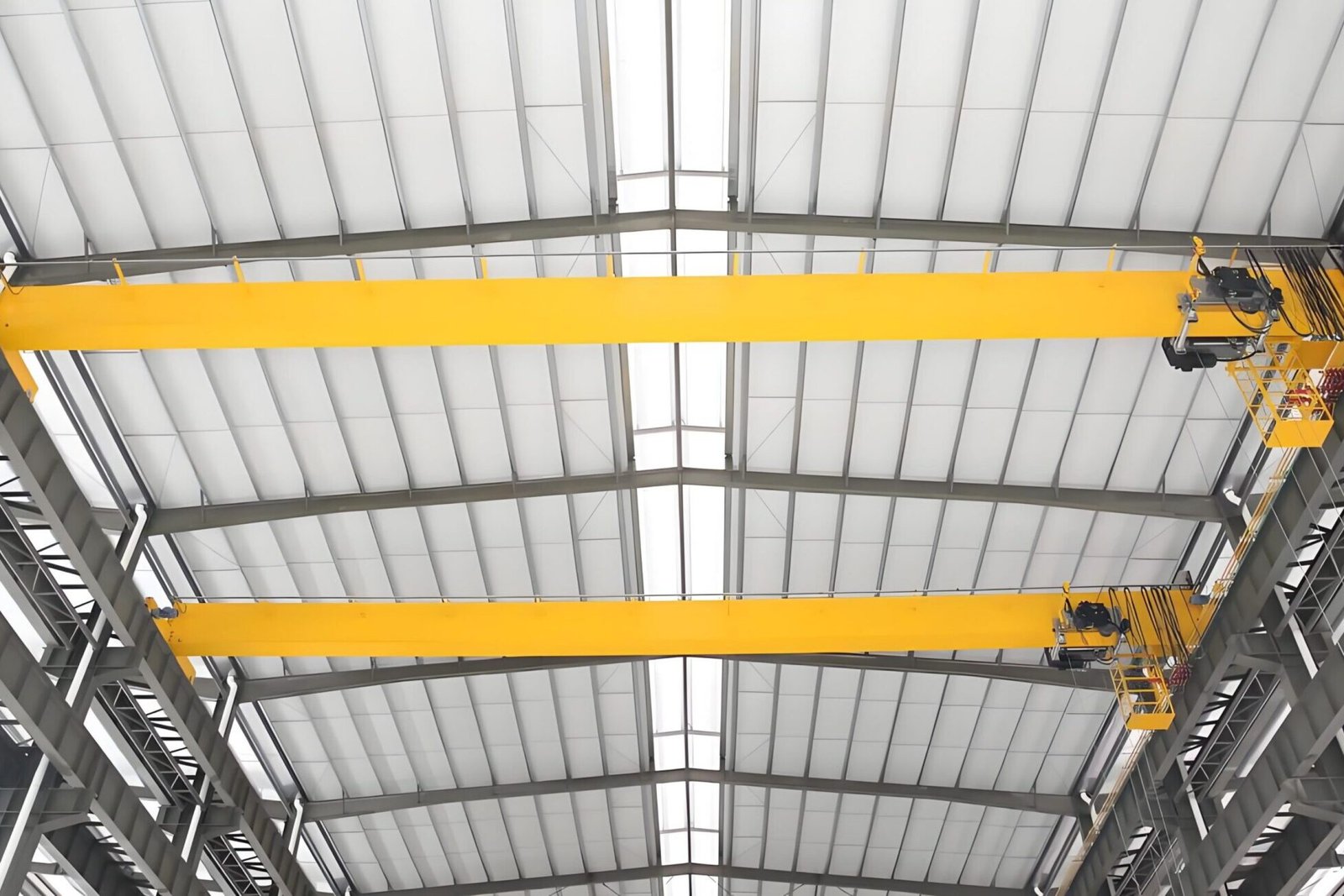
Single Girder Overhead Crane is a lifting equipment that is horizontally suspended above workshops, warehouses, and material yards for material
MOTCRANE (MORTON MARINE) is an engineering-oriented equipment solution provider specializing in heavy lifting and heavy transport systems for industrial and shipyard applications, as well as marine and offshore anchoring equipment.
Our equipment portfolio includes hydraulic gantry cranes, overhead cranes, travel lifts (mobile boat hoists), straddle carriers, and SPMT (self-propelled modular transporters) designed for demanding operations in shipyards, heavy industry, infrastructure construction, and large equipment installation projects.
In addition to performance and reliability, our cranes feature optimized structural proportions and a streamlined layout, which not only enhance operational efficiency but also improve the overall visual appeal and organization of our customers’ workshops.
Our overhead cranes follow a strict quality assurance process from design to final delivery, ensuring reliable performance and long service life.
Confirm lifting capacity, span, duty class, and operating conditions.
Develop crane layout and technical solution based on project needs.
Steel structures are fabricated by specialized manufacturing partners.
Select reliable suppliers for hoists, motors, wheels, gearboxes, and electrical systems.
Inspect all components to ensure quality and specification compliance.
Assemble mechanical structures and integrate electrical systems.
Test crane operation, safety functions, and running stability.
Complete final checks before packaging and shipment.
Overhead cranes are widely used across manufacturing, fabrication, warehousing, and heavy industrial facilities. Different industries have different lifting requirements, and selecting the right crane configuration helps improve safety, efficiency, and material flow.

Suitable for machine shops, assembly lines, and general manufacturing facilities where materials need to be moved safely and efficiently.

Used for handling steel plates, beams, pipes, and fabricated structures during production and assembly processes.

Supports loading, unloading, and internal material transportation while maximizing floor space utilization.

Applied in component handling, assembly operations, mold transportation, and production support systems.

Used for equipment installation, maintenance operations, and handling heavy mechanical components.

Designed for demanding lifting operations involving large structures, heavy equipment, and industrial components.
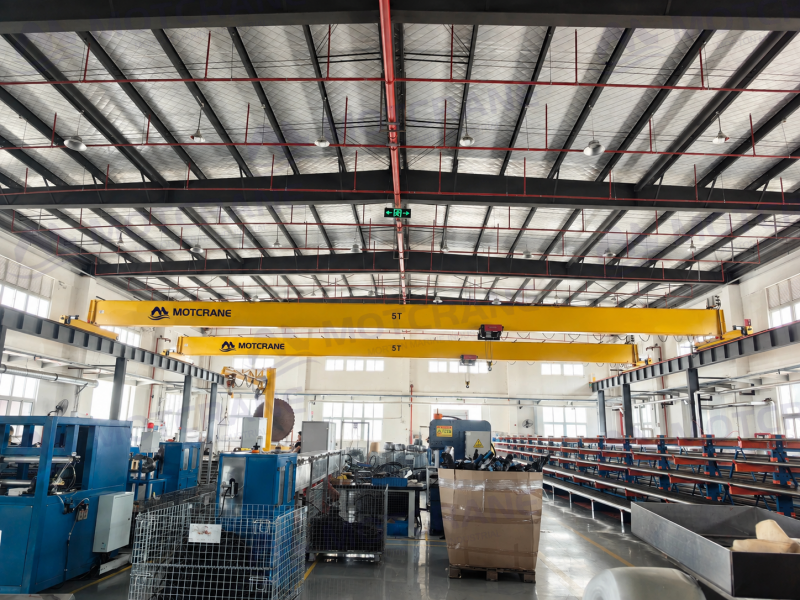
Our overhead cranes have been applied in various industrial projects. Many projects involve existing workshops that were not originally designed for overhead cranes. Limited headroom, insufficient structural support, and restricted installation space are common challenges we help customers overcome.
Explore some of our recent project cases below.
In May 2023, we received an inquiry for the 5Ton
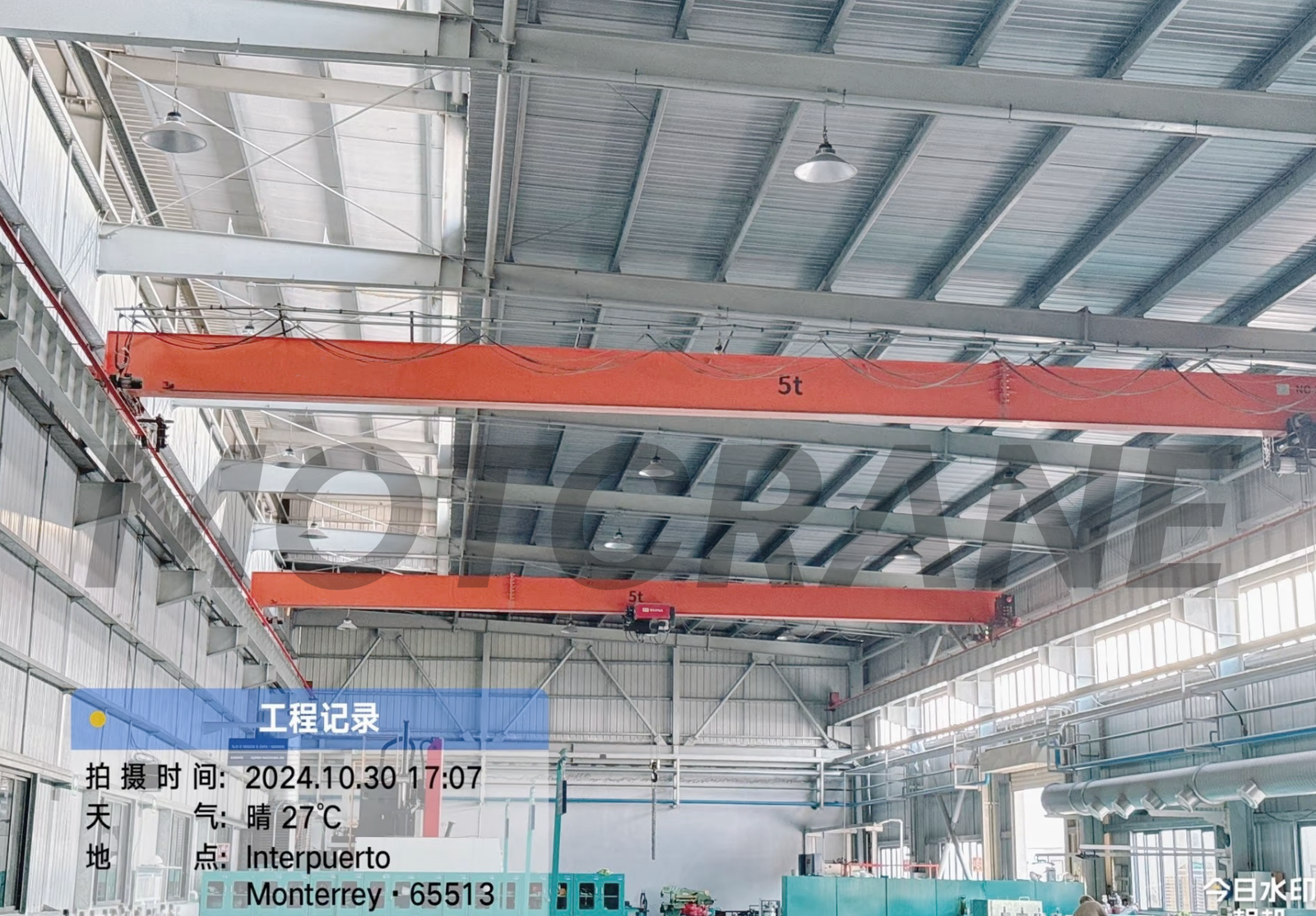
5-ton single girder overhead crane crossed the ocean and successfully
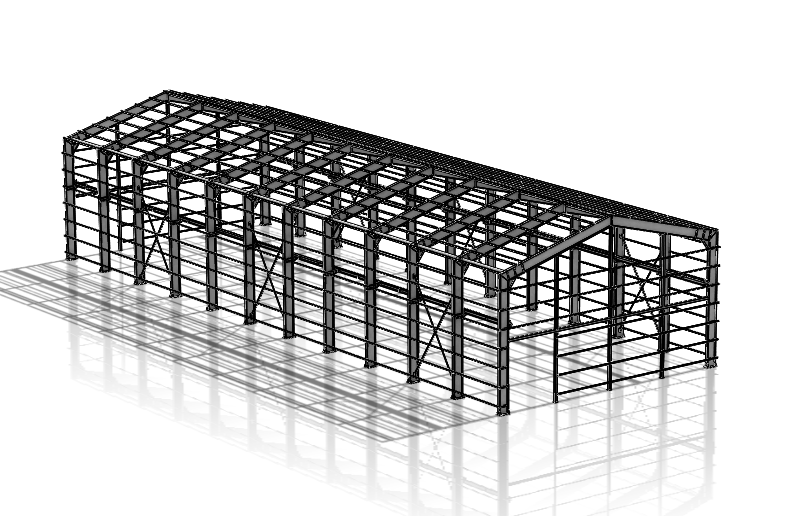
Steel Structure Workshop and EOT Cranes Exported to Ethiopian customer,
In 2020, the customer first established contact with us, explicitly
The customer plans to build two new workshops and intends
The 3ton single girder overhead crane works very smoothly and the quality is excellent. The configuration was well matched to our workshop requirements and installation support was very helpful.
Production Manager
We purchased 11 set of double girder crane for our precast plant. The equipment is reliable and has improved our material handling efficiency significantly.
CEO
The 10ton Double girder overhead crane design was well adapted to our factory layout. The communication during the project was clear and the delivery was on time.
Operations Director
Learn more about overhead cranes, including crane types, selection tips, installation solutions, and industry applications.Our articles help you understand how to choose the right crane system for your project.

Single Girder vs Double Girder Overhead Crane: What Is the

What is overhead crane used for ? Overhead cranes,

Overhead Crane Selection Guide
Selecting the right overhead crane is essential for safe and efficient material handling.
Factors such as lifting capacity, span, lifting height, and duty class should be carefully evaluated based on your workshop conditions.A properly selected crane improves productivity, reduces maintenance costs, and ensures long-term operational reliability.
Single girder cranes are generally used for lighter loads(≤20 Ton) and smaller spans. Double girder cranes are better suited for heavier lifting capacities(3-200 Ton), higher lifting heights, and more demanding working conditions.
Crane capacity should be selected based on the maximum load to be lifted, lifting frequency, and actual working conditions. It is also important to consider future production needs rather than only current requirements.
Yes. In many cases, overhead cranes can be installed in existing workshops with proper structural evaluation and installation planning. The final solution depends on available space, building layout, and load-bearing conditions.
A basic quotation usually requires lifting capacity, span, lifting height, power supply, and workshop layout. If available, drawings or photos of the site can also help improve quotation accuracy.
Top running cranes travel on rails installed on top of runway beams and are commonly used for higher capacities and larger spans. Under running cranes are suspended from the building structure and are usually more suitable for lighter-duty applications or space-limited workshops.
Yes. In most cases, a bridge crane and an overhead crane are the same type of equipment. The difference is mainly in terminology rather than design. Both operate on runway beams above the working area and are used for lifting and transporting materials within a facility.
When selecting a bridge crane or overhead crane, factors such as lifting capacity, span, installation height, and workshop layout are often more important than the name itself. In many projects, available installation space can even determine whether a single girder or double girder configuration is suitable.
The required installation height depends on crane type, lifting capacity, lifting height, and hoist configuration. In projects with limited headroom, low-headroom single girder cranes or FEM standard overhead cranes are often used to maximize the available lifting height.
Phone:+86 188 1666 3689 (whatsApp)
Email:motcrane@163.com
Address:NO.19, Liantai Road, Jingjiang, Jiangsu, China.