


Подходит ли алюминиевый мостовой кран для вашего производства?
Если вашему предприятию требуется легкая подъемная система для стационарной рабочей зоны, то алюминиевый консольный кран может стать практичным решением. Благодаря легкой конструкции и низкому сопротивлению при эксплуатации она подходит для выполнения множества задач по монтажу, техническому обслуживанию и легкому производству. В зависимости от условий в вашем здании систему можно подвесить к существующей конструкции или установить на отдельные опоры.
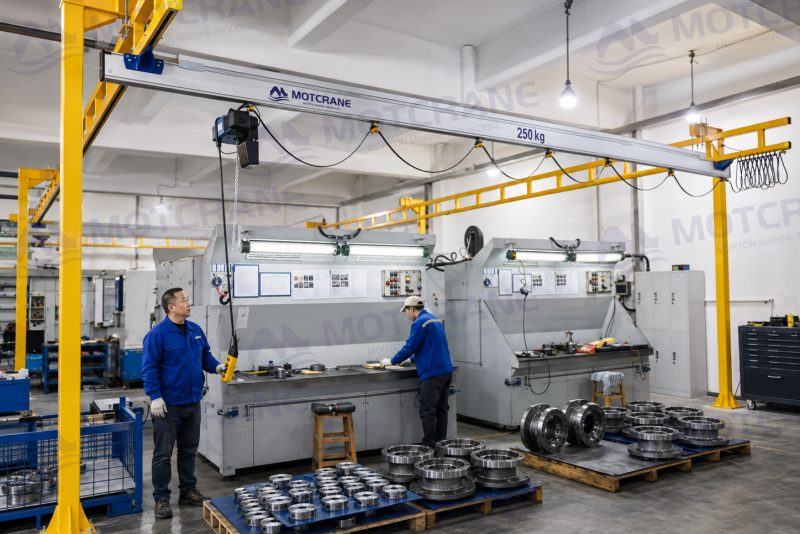
Тем не менее, алюминиевый консольный кран подходит не для каждой сферы применения. Типичные области применения включают сборочные участки, обслуживание оборудования, производство электроники, лаборатории и гибкие производственные линии.
Что такое алюминиевый мостовой кран рабочей зоны?
Алюминиевый консольный кран — это легкая система для обработки материалов. Обычно она состоит из балок или рельсов из алюминиевого сплава, передвижной тележки, подъемного механизма и опорной конструкции.
В зависимости от условий монтажа система может использовать как подвесную конфигурацию, так и система автономного мостового крана с независимыми опорными колоннами.
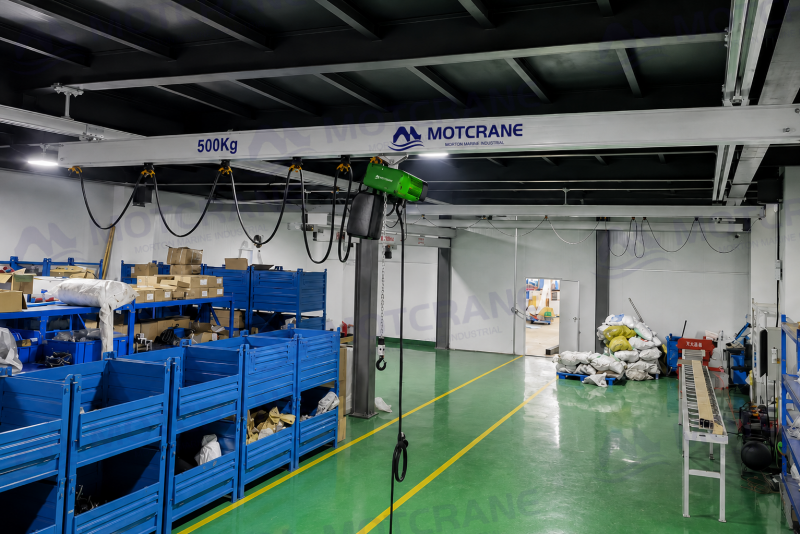
По сравнению с традиционным стальным мостовым краном конструкция из алюминиевого сплава имеет меньший собственный вес и, как правило, требует меньших усилий для перемещения вручную. В рассматриваемых здесь конфигурациях алюминиевых кранов для рабочих мест грузоподъемность может достигать 2 метрических тонн, что делает их пригодными для сборочных работ, технического обслуживания и других задач по перемещению материалов с небольшой нагрузкой.
Какие проблемы транспортировки материалов оно решает?
В вашем цехе кран можно использовать для подъема, перемещения и установки заготовок в пределах заданной рабочей зоны. Поскольку груз перемещается по крановой системе, а не переносится вручную, система позволяет снизить физические усилия при работе с материалами и сделать их повторное перемещение более простым и контролируемым.
Это особенно полезно там, где материалы должны многократно перемещаться между позициями сборки, технического обслуживания или обработки в пределах зоны обслуживания крана.
Какие проекты должны рассматривать использование алюминиевого консольно-поворотного крана?
Стоит рассмотреть возможность использования алюминиевого крана для рабочего места, если подъемные работы проводятся в пределах определенной зоны, а грузы относительно небольшие.
Он особенно подходит в следующих ситуациях:
Повторяющиеся операции между стационарными рабочими местами:
Если ваши операторы регулярно перемещают детали между позициями сборки, механической обработки, контроля или технического обслуживания, кран может обеспечить выполнение этих перемещений без использования ручного труда.
Легкие нагрузки, требующие частого позиционирования:
Для компонентов, которые не являются чрезвычайно тяжелыми, но которые необходимо поднимать и позиционировать многократно во время производства, низкое сопротивление перемещению алюминиевой рельсовой системы может облегчить работу.
Ограниченные возможности монтажа на существующем заводе:
Если конструкция вашего здания позволяет, кран можно подвесить к существующей конструкции. Если это невозможно, можно рассмотреть вариант использования автономной опорной системы.
Производственные планировки, которые могут измениться в дальнейшем:
Модульный алюминиевый кран для рабочей станции может оказаться полезным, если в будущем ваша производственная линия может быть перемещена или переконфигурирована, хотя перед перемещением всё равно необходимо проверить новые условия установки.
Если в вашем проекте предусмотрены нагрузки свыше 2 метрических тонн, большой пролет, эксплуатация в условиях повышенной нагрузки или особые условия, требующие использования специальных материалов или мер по защите от коррозии, алюминиевый кран для рабочей станции может оказаться не самым оптимальным вариантом. В таких случаях вам также следует сравнить стальной мостовой кран или козловой кран перед тем как сделать окончательный выбор.
Что следует подтвердить перед выбором алюминиевого консольного крана?
Прежде чем принять решение о том, подходит ли алюминиевый консольно-поворотный кран для вашего завода, подтвердите следующую информацию:
- Поднятые объекты: Подтвердите вес груза, габариты, точки строповки и необходимость применения специальных грузозахватных приспособлений.
- Процесс обработки: Укажите, где забирается груз, куда его необходимо доставить и требуется ли его частое перемещение.
- Подъемный механизм: Подтвердите, требуется ли ручная цепная таль или электрическая цепная таль.
- Условия установки: Укажите длину, ширину и высоту рабочей зоны, а также условия на площадке и доступные несущие конструкции.
- Будущие корректировки: Подтвердите, может ли потребоваться перенос или переконфигурация мостового крана рабочего места при изменении схемы производства.
- Рабочая частота: Подтвердите ежедневные часы работы, примерное количество циклов подъема в час, типичные условия нагрузки и требуемые дежурный класс.
Часто задаваемые вопросы
Может ли алюминиевый консольный кран использовать электрический канатный тельфер?
Это возможно, но ручные цепные тали и электрические цепные тали более распространены для крановых систем такого легкого типа. Конфигурация тали в конечном итоге должна соответствовать требуемой грузоподъемности, высоте подъема и конструкции крана.
Можно ли переместить кран в другую зону после установки?
Да. Модульный алюминиевый рабочий мостовой кран, как правило, можно демонтировать и переустановить в другой рабочей зоне, при условии, что новые условия монтажа подходят.
Сложно ли проводить плановое обслуживание?
Плановое техническое обслуживание в основном включает в себя осмотр подъемного механизма, движущихся частей, рельсов, крепежных деталей и концевых выключателей. Смазку и другие работы по техническому обслуживанию следует проводить в соответствии с руководством по эксплуатации оборудования.
Можно ли установить его в существующем производственном здании?
Да, но сначала необходимо оценить несущую способность существующей строительной конструкции и доступное монтажное пространство.
В зависимости от условий площадки кран может использовать либо подвесную конфигурацию, либо независимую свободно стоящую опорную конструкцию.
Сколько обычно занимает установка?
Время установки зависит от размера системы, метода монтажа, подготовки площадки и требований к пусконаладочным работам. Небольшую модульную алюминиевую мостовую кран-систему часто можно установить в течение одной недели при готовности площадки.
Резюме
Алюминиевый консольный кран подходит для сборочных, ремонтных работ, мелкосерийного производства и операций по перемещению материалов, требующих легкой грузоподъемной системы в пределах определенной рабочей зоны.
Выбор не должен основываться только на материале крана, собственном весе или грузоподъемности. Необходимо учитывать нагрузку, рабочий диапазон, высоту подъема, частоту работы, условия монтажа и будущую схему производства.
До запрос котировки, подготовьте габариты груза, грузоподъемность, рабочий диапазон, высоту подъема, рабочий процесс, суточные часы работы, планировку завода и фотографии площадки.
На основе этой информации MOTCRANE может определить, подходит ли алюминиевый мостовой кран для рабочей зоны, или же стальной мостовой кран для рабочей зоны, традиционный мостовой кран или другая конфигурация лучше подойдут для данной сферы применения.



 Russian
  English
  French
  Spanish
  Arabic
  Indonesian
  Japanese