


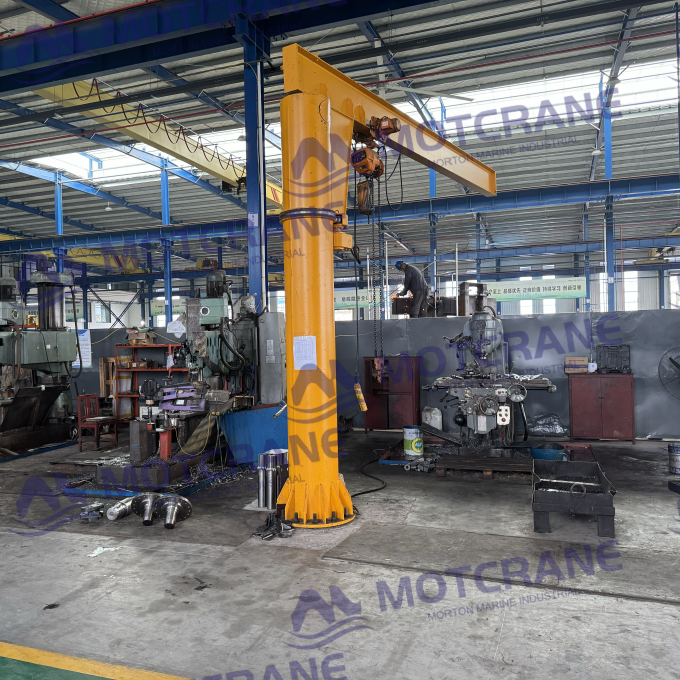
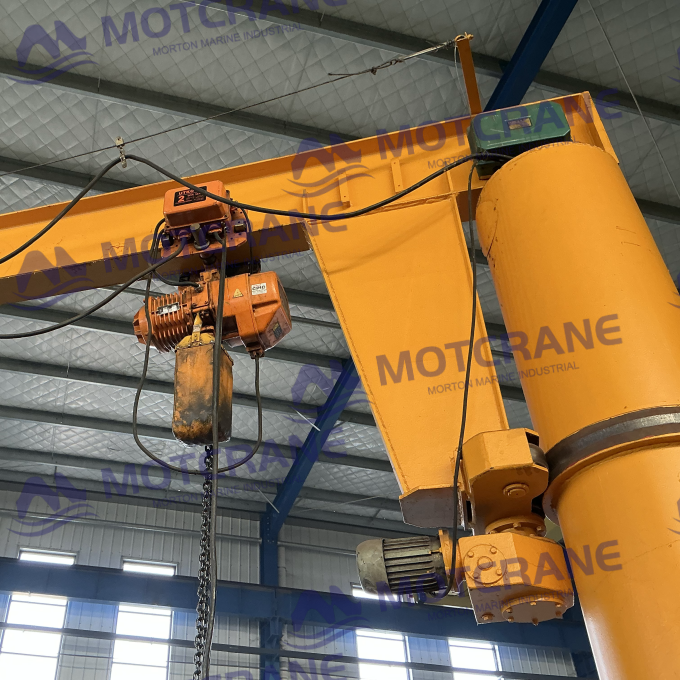
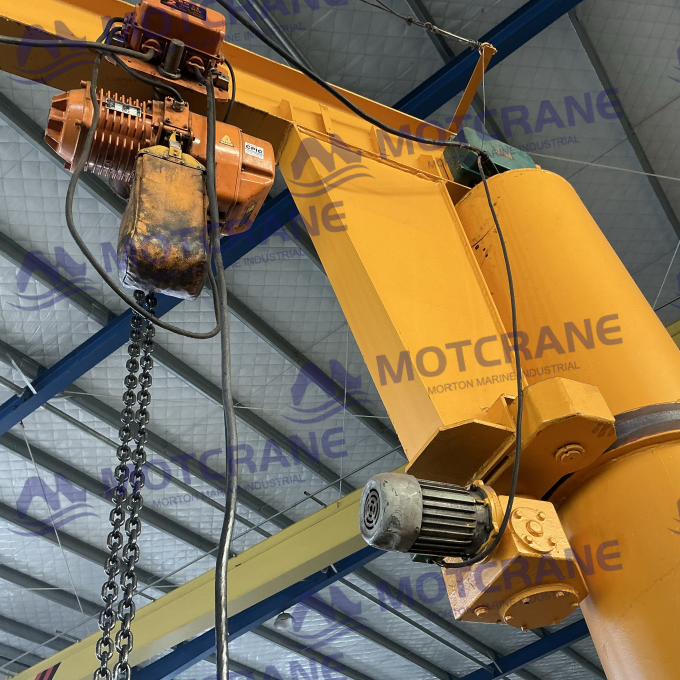
تُستخدم رافعة الجيب هذه التي تبلغ سعتها طن واحد في ورش العمل لنقل المواد حيث يتركز عمل الرفع في منطقة محدودة. وتساعد في جعل المهام الروتينية، مثل نقل الأجزاء، ورفع محطات العمل، ودعم الصيانة، أكثر مباشرة وسهولة في الإدارة.
في MOTCRANE، نساعد في تكوين حلول رافعات الجيب لدينا وفقًا للتخطيط الفعلي ومتطلبات الرفع وظروف التركيب، بحيث يكون الإعداد النهائي أكثر عملية للموقع.
هذه 1 طن رافعة جيب مثبتة على عمود صُمم لورشة عمل خاصة لأحد العملاء، وذلك بشكل أساسي لرفع المكونات والمساعدة في مناولتها أثناء عملية التجميع. لم تكن حاجة العميل الفعلية لنقل المواد على نطاق واسع، بل لرفع المكونات ووضعها وتحريكها وتجميعها ضمن منطقة عمل ثابتة.
على عكس المصانع الكبيرة أو ورش الإنتاج، لا يتطلب هذا المشروع مسافة سفر طويلة أو نظام تحكم كهربائي معقد. ما يحتاجه العميل حقًا هو رافعة علوية بوزن 1 طن تخدم محطة عمل ثابتة، وتكون بسيطة وسهلة التشغيل، وبسعر معقول، ومناسبة للاستخدام اليومي.
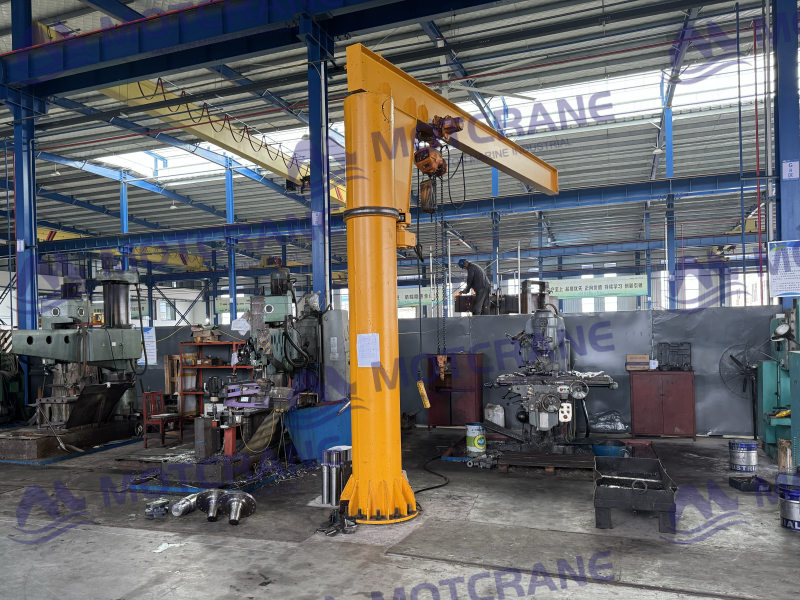
خلال المناقشات الأولية، فضّل العميل بالفعل نظام رفع يدوي ونظام تحرك يدوي، لسبب بسيط وهو إبقاء التكاليف عند أدنى حد ممكن. هذا العقل السائد شائع في المشاريع التي تشمل ورش عمل خاصة. يفضل العديد من العملاء في البداية التكوين الأساسي والاقتصادي لضمان “الوظائف” أولاً، قبل اتخاذ قرار ما إذا كانوا سيقومون بالترقية إلى حل كهربائي أكثر ملاءمة.
لكن التحول الرئيسي في هذا المشروع حدث عندما قارن العميل مباشرةً تجربة المستخدم الخاصة بـ رافعات الحبال السلكية الكهربائية وآلات الرفع الكهربائية ذات السلاسل. كانت هذه العملية حاسمة لأن القرار النهائي لم يعد يعتمد فقط على السعر والمواصفات الفنية المكتوبة، بل على السؤال العملي “أيهما أكثر سهولة في الاستخدام وملاءمة للاستخدام الفعلي”. بعد الاختبار العملي، قرر العميل أن آلة الرفع الكهربائية ذات السلاسل كانت أكثر ملاءمة لظروف ورشة العمل الخاصة بهم.
أولاً، هناك مسألة الراحة التشغيلية. بالنسبة للأعمال التي تتطلب تجميعًا، نادرًا ما تكتمل عمليات الرفع في خطوة واحدة؛ بل إنها تتضمن دورات متكررة من الرفع، والضبط الدقيق، والتحديد، وإعادة التحديد. لو كان الرفع اليدوي والسفر لا يزالان مستخدمين، فعلى الرغم من أن الاستثمار الأولي سيكون أقل، إلا أن تجربة التشغيل على المدى الطويل وكفاءة العمل لن تكون مثالية. توفر روافع السلسلة الكهربائية ميزة واضحة هنا، حيث إنها أكثر سهولة في الاستخدام وتناسب إيقاع هذه المهام اليومية والمتكررة بشكل أفضل.
ثانيًا، عامل التكلفة. على الرغم من أن العميل قد نظر في البداية إلى التكوين اليدوي لتوفير التكاليف، إلا أنه بعد مقارنة عملية، وجد أن الرافعة الكهربائية بالسلسلة لم تزد الميزانية الإجمالية إلى مستوى غير مقبول. على العكس من ذلك، فإنها تحقق توازنًا جيدًا بين السعر والعملية. بعبارة أخرى، لم يكن العميل يلاحق ببساطة أقل سعر؛ بعد فهم حقيقي لأداء التكوينات المختلفة، أدركوا أن الرافعة الكهربائية بالسلسلة كانت استثمارًا أكثر جدوى.
بالإضافة إلى ذلك، كان هناك اعتبار عملي بشأن السحب المائل. في ورشة عمل خاصة، غالبًا ما لا تكون العمليات الفعلية مثالية كما هو الحال في البيئات الصناعية القياسية. خاصة عند تجميع الأجزاء، قد يتطلب موضع قطعة العمل عدة تعديلات، وقد لا يكون زاوية التشغيل دائمًا قياسية تمامًا. إذا حدث سحب مائل في مثل هذه الظروف، فقد يشعر العملاء بالقلق بشأن الموثوقية طويلة الأجل لآلية الرفع. بعد مقارنة الخيارات، شعر العميل بوضوح أن ونش السلسلة الكهربائي يوفر راحة بال أكبر في بيئة التشغيل هذه ويلبي توقعاته بشكل أفضل للاستخدام اليومي.
لذلك، لم يتم تحديد التكوين النهائي لهذا المشروع بميزانية أولية فقط، بل تم الانتهاء منه تدريجياً بعد النظر الشامل في ظروف التشغيل الفعلية، وعادات الاستخدام، وملاءمة التشغيل، والمخاوف المتعلقة بالموثوقية على المدى الطويل. بالنسبة للعميل، ما يهم حقًا ليس أي حل يبدو الأرخص على الورق، بل أي حل هو الأنسب للاستخدام طويل الأمد بعد اكتمال التركيب.
في نهاية المطاف، استقر المشروع على تكوين يتكون من ذراع رافعة مثبتة على عمود حمولة 1 طن مقترنة برافعة سلسلة كهربائية. بالنسبة لورشة العمل الخاصة بالعميل، تحقق هذه التركيبة توازنًا جيدًا وتعد خيارًا عمليًا. فهي تتجنب تجاوز الاحتياجات الفعلية من خلال السعي وراء مواصفات أعلى، كما أنها لا تضحي بالراحة والموثوقية في الاستخدام اللاحق من أجل خفض التكاليف.
يعتبر هذا الحل مناسبًا لأنه يتماشى تمامًا مع متطلبات العمل الفعلية للعميل. فما يحتاجه العميل حقًا هو نقطة رفع ثابتة قادرة على أداء مهام الرفع والمناولة المساعدة أثناء تجميع المكونات داخل منطقة مخصصة. ونظرًا لأن عمود الرافعة المتأرجح يتلاءم بشكل مثالي مع هذه الحاجة، فهو يتميز ببنية بسيطة وطريقة تركيب مباشرة، مما يجعله مناسبًا لمحطات العمل الثابتة ومناسبًا بشكل خاص لورش العمل الخاصة ذات المساحة المحدودة نسبيًا.
في الوقت نفسه، يضمن قرار التحول من الحل اليدوي الأصلي إلى رافعة كهربائية بسلسلة أن يلبي الإعداد بأكمله احتياجات التشغيل اليومية بشكل أفضل. بالمقارنة مع الطرق اليدوية، توفر الرافعة الكهربائية بالسلسلة كفاءة أعلى وتشغيلًا أسهل للمهام المتكررة؛ مقارنة بالرافعات الكهربائية بالحبال السلكية، ثبت أنها أكثر عملية واقتصادية وتتوافق بشكل أفضل مع توقعات العميل بشأن راحة التشغيل في هذا المشروع. ونتيجة لذلك، لم يعد الحل يتعلق بمجرد “القدرة على الرفع”، بل تطور إلى نظام يناسب حقًا عادات عمل العميل وظروف الموقع.
من منظور المشروع، تسلط هذه الحالة الضوء أيضًا على نقطة عملية: لا ينبغي أن يعتمد اختيار رافعة الهيب على المواصفات والسعر الأولي وحده. في النهاية، سيتعامل العميل مع الاستخدام الفعلي بعد التركيب على المدى الطويل، وليس مجرد أرقام قليلة في عرض أسعار. المساحة المتاحة في الموقع، عادات التشغيل، طرق التجميع، تكرار الرفع، ومتطلبات العميل للراحة والاستقرار، كلها تؤثر بشكل مباشر على التكوين المناسب حقًا.
في MOTCRANE، نتعامل مع مشاريع الرافعات الجيبية بنفس العقلية. لا نقدم ببساطة للعملاء أبسط طراز معياري؛ بل نساعد في تحديد التكوين الأكثر ملاءمة من خلال النظر في متطلبات التشغيل الفعلية، والظروف في الموقع، وطرق التشغيل المفضلة لدى العميل. الخيار النهائي لهذا المشروع - رافعة جيب عمودية بوزن 1 طن مزودة برافعة سلسلة كهربائية - يمثل في الأساس توازنًا أكثر معقولية بين التكلفة والراحة التشغيلية والتطبيق العملي.
اسم الرافعة: رافعة جيب حمولة 1 طن
الموديل: رافعة جيبية من النوع BZD حمولة 1 طن
قدرة الرفع: 1 طن
طول الذراع: 3م
ارتفاع الرفع: 4 متر
آلية الرفع: رافعة كهربائية بسلسلة
سرعة الرفع: 6.6 متر/دقيقة
سرعة الدوران: 0.75 دورة في الدقيقة
سرعة المسير: 11 متر/دقيقة
الطبقة العاملة: م 3
مزود الطاقة: 380 فولت، 50 هرتز، ثلاثي الطور



 Arabic
  English
  Russian
  French
  Spanish
  Indonesian
  Japanese