


Что такое стреловой кран и где он используется?
Во многих мастерских, зонах технического обслуживания и сборочных участках подъемные работы не требуют охвата всего объекта. В большинстве случаев они сосредоточены вокруг одной машины, одной точки сборки или одной фиксированной рабочей зоны. В такой ситуации установка более крупного мостовая крановая установка часто означает более высокую стоимость, более строгие требования к установке и решение, которое может быть избыточным для данного объекта.
Поэтому многие покупатели начинают смотреть на консольные краны Вместо этого. Для локального подъема в пределах фиксированной зоны часто более практичным и прямым выбором является консольный кран. Он не требует широкой зоны перемещения или сложной крановой системы, но при этом может выполнять подъем, перемещение, позиционирование и поддержку работ в непосредственной близости от фактической точки эксплуатации.
Во многих реальных проектах клиентам на самом деле нужна не более мощная подъемная система, а подъемное решение, которое лучше подходит для объекта и более естественно вписывается в их повседневную работу.
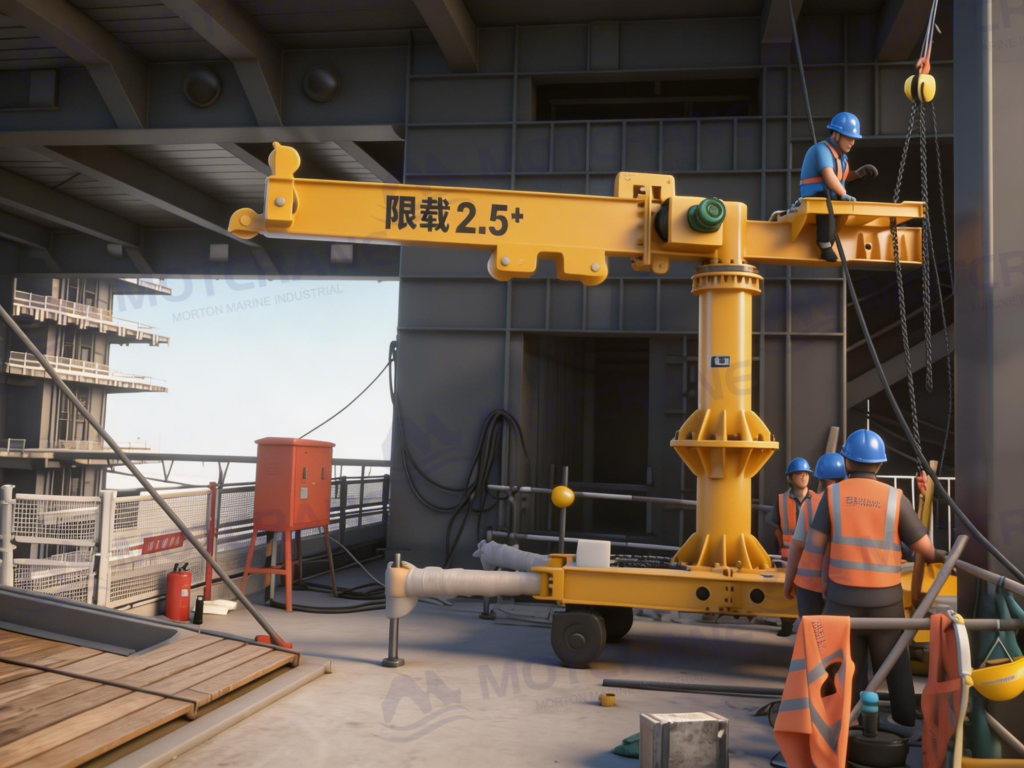
I. Что такое стреловой кран?
A консольный кран это подъемное решение, предназначенное для локального перемещения в пределах фиксированной рабочей зоны. Обычно оно состоит из колонны или настенного крепления, стрелы, механизма поворота и подъемника. Комбинируя вращение стрелы с функциями подъема и перемещения подъемника, оно позволяет перемещать грузы в пределах определенного рабочего диапазона.
По сравнению с более крупными крановыми системами, такими как мостовые краны или козловые краны, консольный кран лучше подходит для частых подъемных работ в одной определенной рабочей точке. Его основная ценность заключается не просто в том, что он может поднимать груз, а в том, что он приближает подъемные работы к месту, где фактически выполняется работа.
Например, при сборочных работах детали часто приходится несколько раз поднимать, регулировать и позиционировать. В зонах технического обслуживания компоненты может потребоваться снимать, устанавливать или перемещать близко к определенному месту. На небольших рабочих станциях клиенты часто хотят иметь подъемную точку, которая проста в использовании, не занимает много места и более удобно поддерживает повседневную работу. Именно в таких ситуациях стреловой кран часто является очень практичным вариантом.
В MOTCRANE многие проекты грузоподъемных кранов, которыми мы занимаемся, следуют одному и тому же сценарию. Заказчики не ищут большую, сложную подъемную систему. Они ищут локализованное подъемное решение Это соответствует реальной работе. Именно поэтому выбор консольного крана предполагает больше, чем просто проверку грузоподъемности, высоты подъема и длины стрелы на бумаге. Важны фактическая планировка, условия установки и метод эксплуатации.
II. Какие бывают распространенные типы консольных кранов?
Многие думают о стреловом кране как о простом подъемном рычаге с лебедкой, но на практике существует несколько различных типов в зависимости от места установки и способа использования крана.
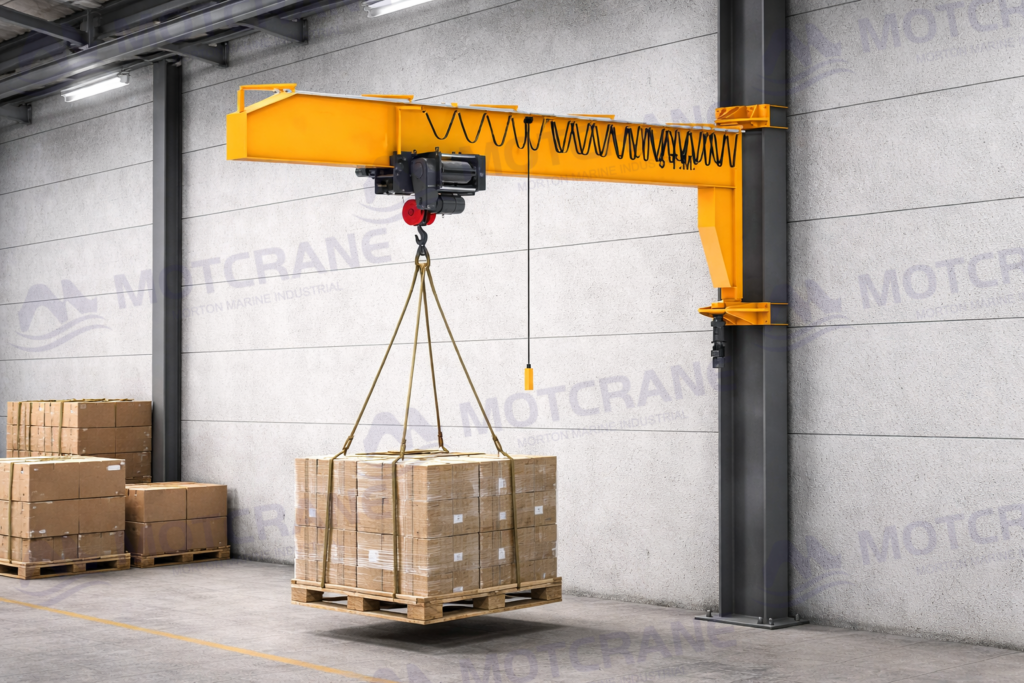
1. Консольный кран на колонне
Консольный кран на колонне является одним из самых распространенных типов. Он устанавливается на полу с помощью отдельно стоящей колонны и подходит для подъёмных работ в пределах фиксированной зоны, где требуется относительно широкий рабочий радиус. Для многих мастерских, зон сборки и станций технического обслуживания этот тип предлагает четкую конструкцию, простой монтаж и практичный охват.
2. Настенный стреловой кран
Консольный кран, устанавливаемый на стене, обычно крепится к стене или колонне здания, что делает его подходящим для объектов с ограниченным пространством. Он часто используется вдоль стен цехов, рядом с производственными линиями или в зонах технического обслуживания, где заказчики хотят освободить пол, сохраняя при этом удобную точку подъема рядом с местом проведения работ.
3. Стреловой кран с шарнирно-сочленённой стрелой
Кран-балка с шарнирным стреловым подъемником имеет более гибкую конструкцию стрелы и полезен там, где траектория подъема менее прямолинейна. Его часто выбирают, когда груз необходимо перемещать в обход препятствий, когда рабочее пространство ограничено или когда требуется более точное локальное позиционирование. Хотя он и не нужен для каждого проекта, он может быть очень полезен при загрузке машин, работе на рабочих станциях и в ограниченных пространствах.
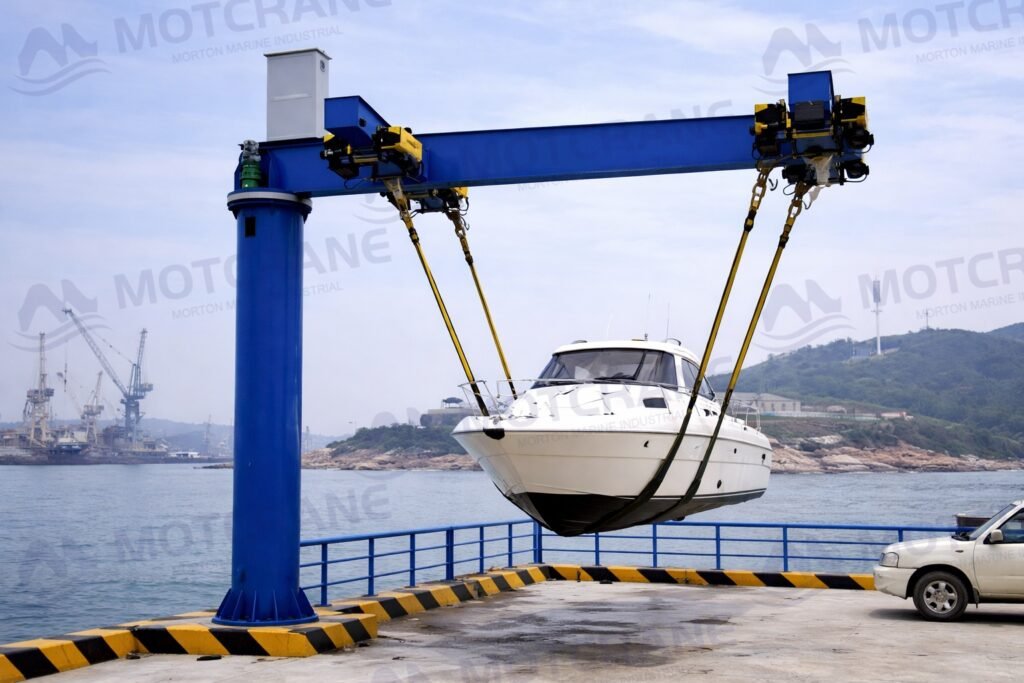
4. Консольные краны для определенных наружных применений
Когда люди думают о стреловых кранах, они обычно в первую очередь думают об использовании в помещении цеха. Однако стреловые краны также могут использоваться в некоторых наружных применениях, таких как портовые сервисные пункты, прибрежные рабочие зоны, небольшие края платформ или наружные пункты технического обслуживания оборудования. В этих случаях при выборе следует также учитывать окружающую среду, условия монтажа, защиту поверхности и фактическую задачу подъема.
III. В каких случаях обычно используются стреловые краны?
Консольные краны широко используются, поскольку они хорошо подходят для повторяющихся подъемных работ в пределах фиксированной зоны. Вместо того, чтобы охватывать все здание, они фокусируются на повышении эффективности и удобства подъема в непосредственной близости от фактического рабочего места.
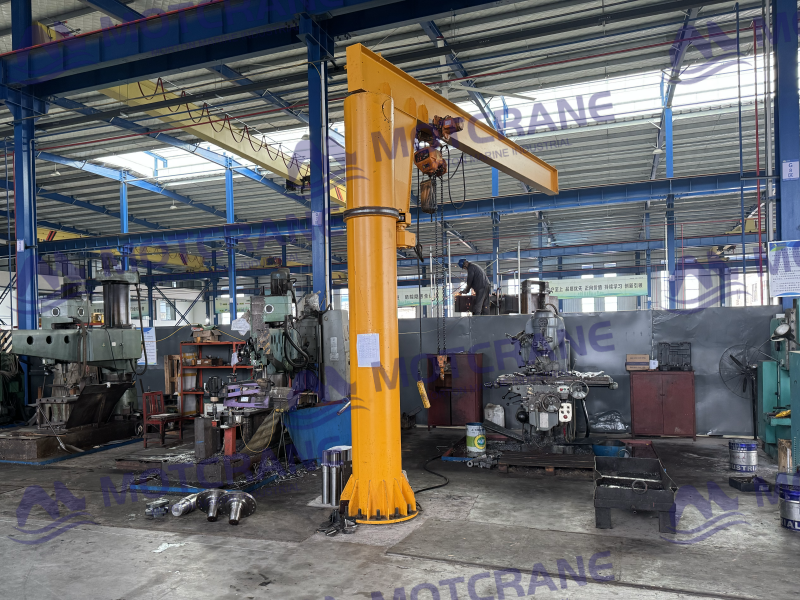
1. Перемещение материалов в мастерской
На многих производственных участках детали не требуют перемещения на большие расстояния, но их нужно многократно поднимать, переносить и позиционировать в пределах одной рабочей зоны. Например, детали могут перемещаться со стола в точку сборки или с одной стационарной станции на следующий этап процесса. Если все это делается вручную, эффективность падает, а усилия оператора увеличиваются. Стреловой кран может значительно облегчить такую работу.
2. Монтажные станции
Сборочные станции — одно из наиболее распространенных применений стреловых кранов. Многие сборочные задачи требуют многократного подъема, выравнивания, регулировки и позиционирования, а не одного простого подъема. Наличие стрелового крана рядом с рабочим местом часто делает весь процесс более плавным, контролируемым и практичным для ежедневного использования.
3. Зоны технического обслуживания
Во многих зонах технического обслуживания оборудования работы включают снятие, проверку, замену или повторную установку деталей. При таком типе работ близко расположенная точка подъема часто важнее, чем система, охватывающая всю мастерскую. Стреловой кран часто хорошо подходит для этих целей, поскольку он держит опору для подъема рядом с зоной обслуживания и обычно проще, чем более крупная крановая система.
4. Погрузка и выгрузка оборудования
Рядом с определенными станками или рабочими местами клиенты могут нуждаться лишь в перемещении форм, компонентов или заготовок из одного фиксированного положения и установке их рядом со станком или другим близлежащим местом. Пока рабочий диапазон относительно фиксирован, поворотный кран часто является практичным выбором для такого рода локальных задач по подъему.
5. Выбранные точки обслуживания на открытом воздухе
Помимо рабочих мест в помещении, стреловые краны также используются в некоторых стационарных наружных местах, таких как точки подъема легких грузов у доков, небольшие прибрежные сервисные зоны или наружные ремонтные платформы. Эти применения обычно предполагают локальную поддержку при подъеме, а не погрузочно-разгрузочные работы большой грузоподъемности на большие расстояния.
IV. Почему многие клиенты выбирают стреловой кран?
Многие клиенты выбирают консольный кран не потому, что он более совершенный, а потому, что он больше подходит для конкретной работы.
Во-первых, он хорошо подходит для локального подъема в пределах фиксированной зоны. Если работа в основном ведется на одной станции, рядом с одним станком или в пределах одной определенной зоны, консольного крана часто бывает достаточно без необходимости в более крупной системе.
Во-вторых, он обычно более прямой и практичный. Во многих проектах клиентам действительно нужна точка подъема, которую легко использовать, которая находится близко к работе и удобна для многократного использования. Стреловой кран идеально подходит для этой задачи.
Также часто бывает проще адаптировать его к имеющемуся пространству. На объектах, где площадь пола ограничена, диапазон подъема ясен, а рабочее движение относительно фиксировано, консольный кран может вписаться в планировку более естественно, чем более крупная крановая система.
Конечно, это не означает, что одна конструкция консольного крана подходит для каждого проекта. На конечный результат могут повлиять тип крана, метод монтажа, высота подъема, длина стрелы, диапазон поворота и выбор лебедки. Вот почему клиенты должны выбирать не только по классификации, но и по тому, как будет фактически использоваться кран.
В. Когда лучше выбрать поворотный кран?
Консольная балка часто заслуживает рассмотрения, когда проект имеет следующие характеристики:
♣ Подъемные работы сосредоточены в одной фиксированной зоне
Нет необходимости охватывать всю мастерскую или длинный путь.
♣ Требуется регулярно выполнять подъемные работы рядом с рабочим местом
♣ Место ограничено, и более крупная система была бы непрактичной
♣ Ежедневное удобство эксплуатации важнее, чем просто выбор крана большей грузоподъемности
В таких ситуациях козловой кран часто является более практичным и экономичным решением, чем установка более крупной крановой системы. Это не просто упрощенная версия большего крана. Это подъемное решение, которое лучше подходит для локальных работ.
VI. Как MOTCRANE помогает определить правильный Консольный кран?
В MOTCRANE мы предпочитаем рассматривать проекты консольных кранов исходя из фактической задачи подъема, а не просто применяя фиксированную модель. Даже при одинаковой требуемой грузоподъемности наиболее подходящее решение может различаться в зависимости от планировки цеха, места установки и способа использования крана.
Мы обычно рассматриваем такие факторы, как доступное пространство, условия монтажа, необходимая длина стрелы, высота подъема, способ эксплуатации и бюджет, прежде чем предлагать конфигурацию. Во многих проектах клиенты изначально рассматривают только самую базовую установку, но после сравнения ручного и электрического привода, цепных и канатных талей, а также различных способов монтажа, окончательный выбор часто становится гораздо более подходящим для ежедневного использования.
Другими словами, выбор поворотного крана — это не просто решение о том, устанавливать его или нет. Это также означает понимание того, как будет использоваться кран, где он будет установлен, как часто он будет работать, что важнее — стоимость или удобство, и какое решение обеспечивает наилучший баланс для конкретного применения.
Если клиент все еще не уверен, какой тип больше подходит, фотографии объекта, простой эскиз планировки и основные требования к подъему могут помочь сделать выбор более ясным.
VII. Заключение
Если подъемные работы в основном сосредоточены в пределах одной фиксированной области, поворотный кран часто является решением, которое стоит рассмотреть. Он может использоваться для перемещения материалов в мастерских, на сборочных позициях, в зонах технического обслуживания и на отдельных наружных пунктах обслуживания, где требуется локальный подъем.
Что действительно важно, так это не только понимать, что такое стреловой кран, но и знать, подходит ли он для конкретного места и какая конфигурация наиболее разумна для выполнения работ.
Для многих клиентов подходящим консольным краном является не тот, у которого самые большие характеристики или самая сложная конструкция. Это тот, который подходит к рабочей зоне, работает плавно и остается практичным для долгосрочного использования.
Если вы оцениваете стреловой кран для вашего проекта, MOTCRANE может помочь пересмотреть вашу компоновку, задачу подъема и условия установки, чтобы предложить более подходящее решение.



 Russian
  English
  French
  Spanish
  Arabic
  Indonesian
  Japanese