


クレーンは、工場、倉庫、港湾、造船所、建設プロジェクトなどで、重い資材の吊り上げや移動に広く利用されています。産業や作業環境によって異なるクレーンソリューションが必要となるため、効率と長期的な運用コストの両方にとって、適切なクレーンを選択することが重要です。.
クレーンはすべて荷物を吊り上げたり移動させたりするように設計されていますが、用途によって必要な.
間違ったクレーンを選ぶと、取り扱い効率の低下、メンテナンスコストの増加、機器の寿命の短縮につながる可能性があります。クレーンを購入する前に、主なクレーンタイプ、主要コンポーネント、操作原理、および基本的な選択パラメータを理解することが重要です。.
このガイドでは、一般的な産業用クレーンの種類、その用途、主要な構成部品、およびクレーン選定の際に考慮すべき重要な要素について紹介します。.
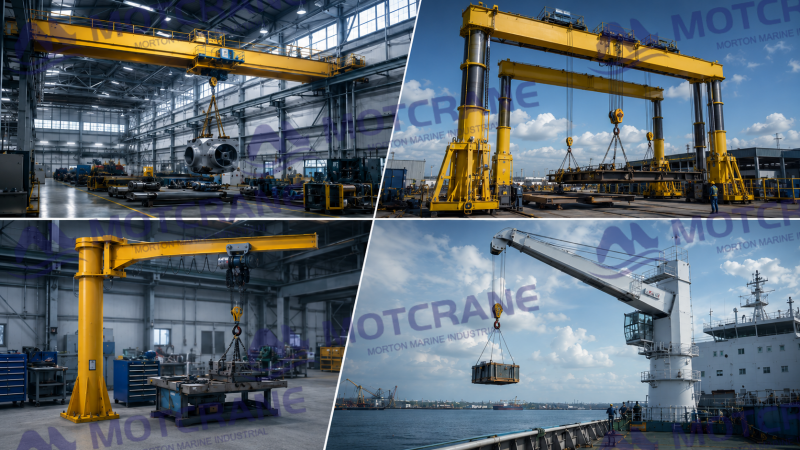
クレーンとは何ですか?
クレーンは、重い荷物を持ち上げたり、下げたり、移動させたりするために使用される機械的な昇降装置です。ほとんどのクレーンシステムは、資材運搬作業を完了するために、ホイスト機構、走行機構、鋼構造、および制御システムが連携して機能しています。.
産業プロジェクトにおいて、クレーンは単なる吊り上げ機器以上のものです。クレーンの選定は、生産効率、ワークショップのレイアウト、運用上の安全性、メンテナンス要件、および長期的な運用コストに影響を与えます。.
クレーンを選定するにあたっては、通常、以下の要素を確認する必要があります。
- 揚力
- スパン
- リフト高
- サービスクラス
- 使用頻度
- 屋内または屋外への設置
- 利用可能な設置スペース
- 積荷の寸法および取り扱い方法
これらの条件が明確になれば、そのプロジェクトに天井クレーン、ガントリークレーン、ジブクレーン、あるいはその他の吊り上げソリューションのどれが適しているかを判断するのが、はるかに容易になります。.
クレーンの主な種類
クレーンの種類は、それぞれの作業環境に合わせて設計されています。あらゆる用途に適した万能のクレーンというものは存在しないため、クレーンの選定は常に実際の現場の状況や吊り上げ要件に基づいて行う必要があります。.
天井クレーン
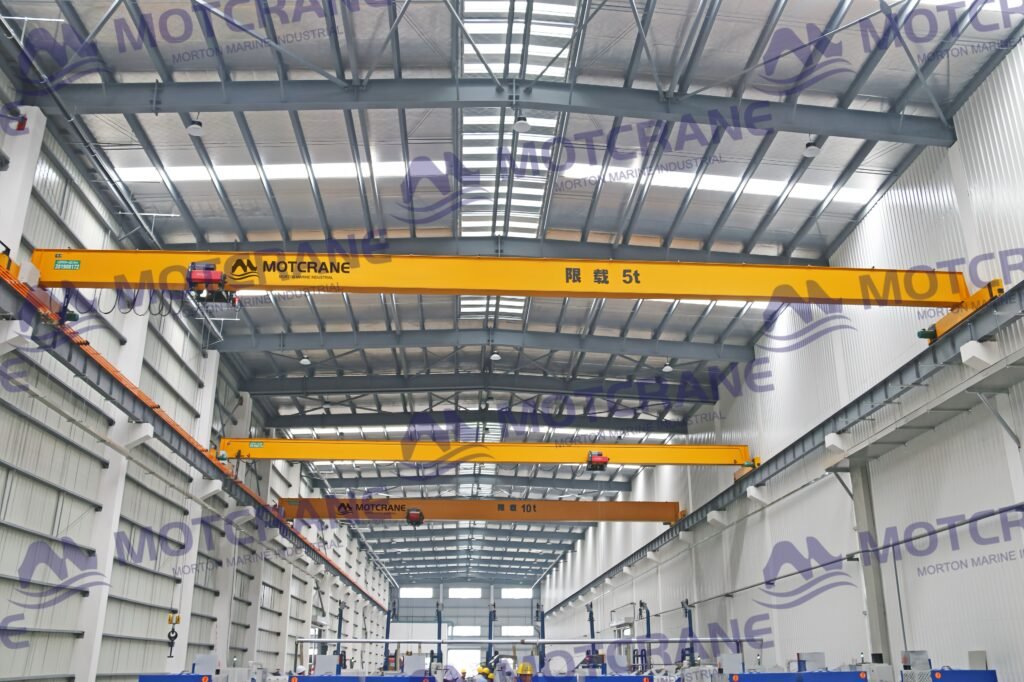
天井クレーン(ブリッジクレーンとも呼ばれる)は、工場、倉庫、作業場、生産施設などに広く設置されています。これらは高所に設置された走行梁上を走行し、作業エリア全体において荷物を縦方向、横方向、および垂直方向に移動させることができます。.
天井クレーンは、床面積が限られているものの、広い範囲での荷役が必要な屋内での資材運搬に最適です。.
一般的な天井クレーンの種類には、次のようなものがあります:
- 単桁天井クレーン
- 二段ガーダー天井クレーン
- 欧州式天井クレーン
- 冶金用天井クレーン
- 防爆型天井クレーン
天井クレーンは、製造工場、機械工場、鉄鋼加工施設、倉庫、組立ラインなどで広く使用されています。.
ガントリークレーン
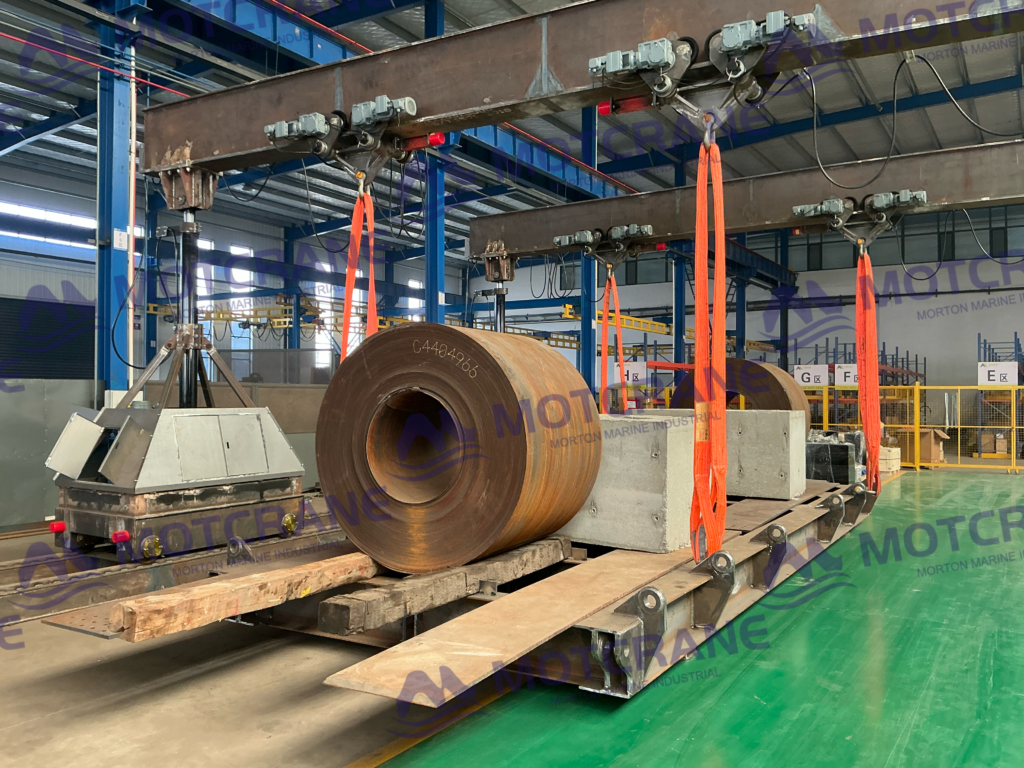
ガントリークレーンは天井クレーンと似ていますが、建物の構造物に依存するのではなく、独自の脚で支えられており、通常は地上のレールやゴムタイヤの上を走行します。.
ガントリークレーンは、屋外の貯蔵場、造船所、港湾、プレキャスト工場、鉄鋼貯蔵エリア、および大型機器の取り扱い現場などで広く使用されています。.
一般的なガントリークレーンの種類には、次のようなものがあります:
- 単桁ガントリークレーン
- 二重桁ガントリークレーン
- セミガントリークレーン
- ポータブルガントリークレーン
- アルミニウム製ガントリークレーン
- 油圧式ガントリークレーン
- 移動式ボートリフト
- ストラドルキャリア
屋外での荷役作業や、適切な建物の支持構造がない現場では、ガントリークレーンが最適な解決策として選ばれることが多い。.
ジブクレーン
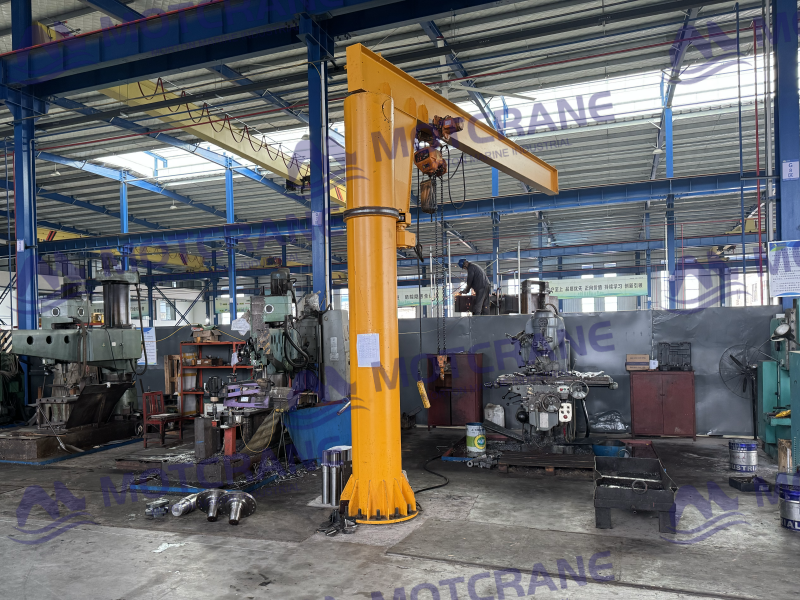
ジブクレーンは、主に固定された作業範囲内での局所的な吊り上げ作業に使用されます。通常、柱または壁に取り付けられた支持部、ジブアーム、旋回機構、および巻上げ装置で構成されています。.
大型のクレーンシステムに比べ、ジブクレーンは構造がシンプルで、設置スペースも少なく、操作も容易です。通常、作業場、組立エリア、工作機械、保守エリア、荷役ポイントの近くに設置されます。.
一般的なジブクレーンの種類には、次のようなものがあります:
個々の作業ステーション付近での反復的な持ち上げ作業において、ジブクレーンを導入することで、作業効率を向上させ、手作業による運搬を削減することができます。.
移動式クレーン
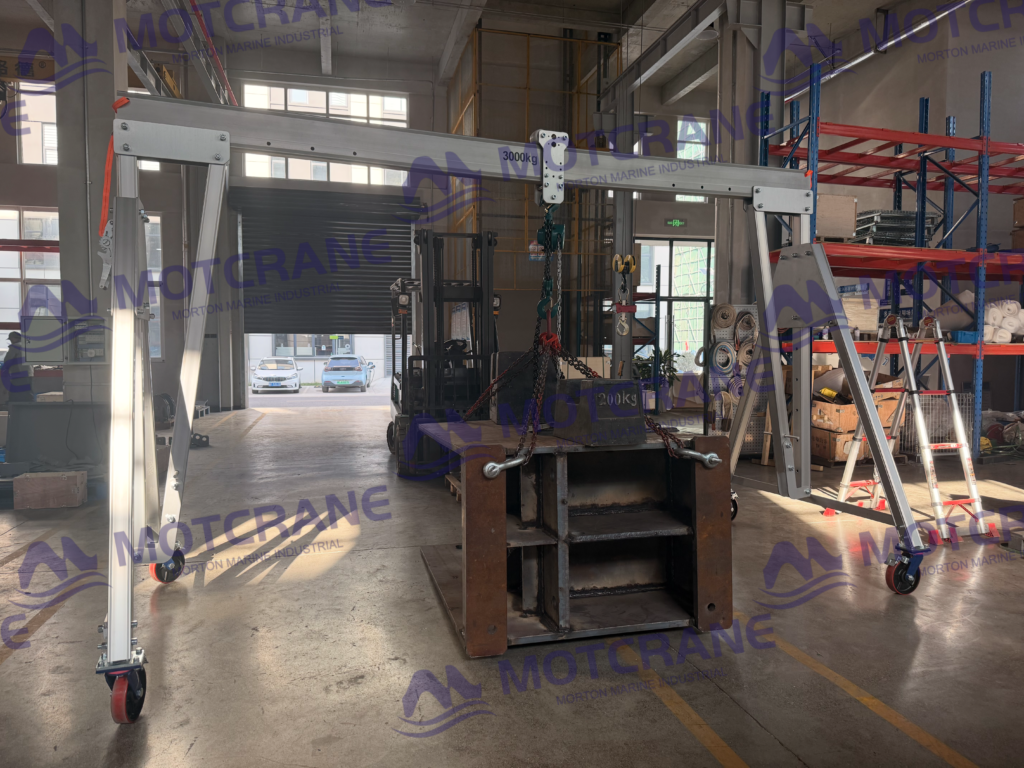
モバイルクレーンは、さまざまな作業エリア間を移動できるように設計された吊り上げ機械です。用途に応じて、ゴムタイヤ、クローラートラック、またはレール走行システムを使用する場合があります。.
その主な利点は機動性であり、一時的な吊り上げ作業、建設プロジェクト、モジュール式組立作業、および吊り上げ機器を場所間で頻繁に移動させる必要がある用途に適しています。.
モバイルクレーンを使用する際の重要な要素には、以下のようなものがあります。
- 地盤支持力
- 作動半径
- リフト高
- 機械の安定性
- ロードチャートの制限
一般的なモバイルクレーンシステムには以下のようなものがあります。 ポータブルガントリークレーン, 油圧ガントリーシステム, 、船舶用移動クレーン、 ストラドルキャリア.
マリンクレーン
マリンクレーンは一般的に船舶、岸壁、造船所、洋上プラットフォーム、または海洋エンジニアリング機器に設置されます。貨物取り扱い、船舶メンテナンス、デッキリフティング作業、洋上建設作業に使用されます。.
標準的な産業用クレーンと比較して、海洋クレーンはより過酷な環境で稼働します。塩害、湿気、限られた甲板スペース、腐食、周囲の構造物などが、クレーンの設計と運用の両方に影響を与えます。.
船舶用クレーンを選定する際には、以下の要素を慎重に検討する必要があります:
- 揚力
- 作業半径
- ブームの構成
- 設置場所
- 腐食防食要件
- 船級認証
- 動作環境
海洋クレーンの選定には、通常、標準的な作業場クレーンよりも詳細なプロジェクト情報が必要です。.
主なクレーン構成要素とその機能
クレーンシステムは、いくつかの主要なコンポーネントで構成されています。各部品は、吊り上げ性能、安全性、運転安定性、および機器の耐用年数に直接影響します。.
電動ホイスト / 巻上装置
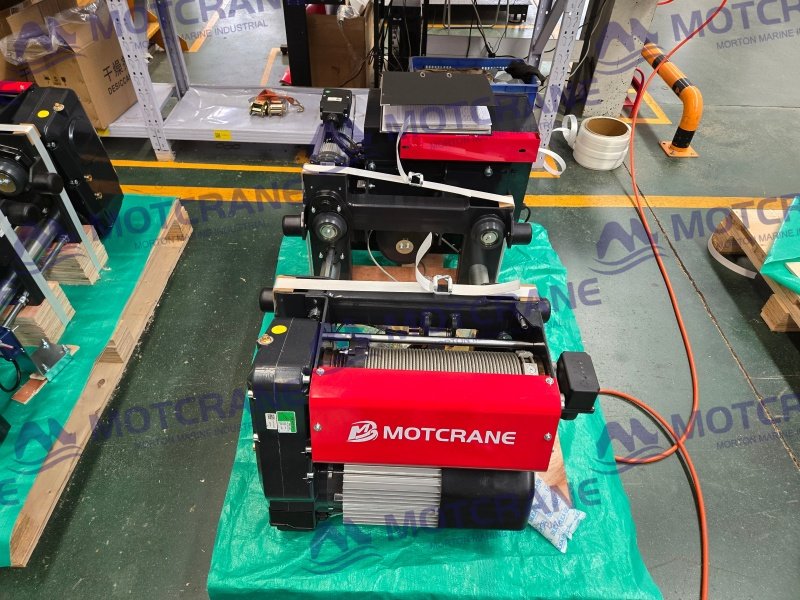
電動ホイストは、荷物を昇降させるための主要な吊り上げ機構です。通常、ワイヤロープまたはチェーン、ドラム、フック、モーター、減速機、ブレーキシステムなどが含まれます。.
一般的なホイストの種類としては、次のようなものがあります。
- ワイヤーロープ式電気ホイスト
- 電動チェーンホイスト
- ヨーロッパ式電動ホイスト
ホイストの選定は、吊り上げ速度、吊り上げ高さ、能力、安全保護、および長期的な信頼性に影響します。.
主桁/橋梁構造
主桁(おもげた)は、クレーンの主要な荷重支持構造の一部です。ホイスト、トロリー、および吊り荷を支えます。.
一般的なガーダー構成には、以下のようなものがあります。
- 単桁構造
- 二重梁構造
- 箱桁構造
主桁の設計は、載荷能力、構造的剛性、支間能力、および運転安定性に直接影響します。不適切な構造設計は、過度のたわみ、振動、または不安定な運転につながる可能性があります。.
エンドキャリッジ
エンドキャリッジは通常、クレーン構造の両端に取り付けられ、車輪、駆動ユニット、走行機構を備えています。. クレーン荷重と構造力をレールまたは支持構造に伝達しながら、クレーンをランウェイに沿って移動させる責任を負います。. 適切に設計されたエンドキャリッジシステムは、振動や騒音を低減し、位置決め精度と全体的な運転安定性を向上させます。.
制御システム
この制御システムは、クレーンの移動、吊り上げ作業、安全保護、および作業の連携を管理します。.
一般的な制御方法には、以下のようなものがあります。
- ワイヤレスリモコン
- ペンダント制御
- キャブコントロール
- PLC制御システム
- 可変周波数ドライブ(VFD)システム
- インテリジェント同期制御システム
ほとんどの作業現場での用途においては、通常、ワイヤレスリモコンで十分です。ただし、過酷な条件や高精度が求められるプロジェクトでは、より高度な制御・位置決めシステムが必要になる場合があります。.
クレーンの仕組み
クレーンは、巻上機構、走行機構、鋼構造物、制御システムの協調動作により、荷役を行います。.
- 巻き上げ機構は荷物を昇降させます
- The traveling mechanism moves the load horizontally
- The control system manages movement and safety functions
By combining hoisting and traveling motions, cranes can lift loads from one location, transport them across the working area, and position them accurately.
For example:
- Overhead cranes move materials across workshops and warehouses
- Jib cranes handle localized lifting near fixed workstations
- Gantry cranes transport large components in outdoor yards or shipyards
- Marine cranes perform lifting operations on vessels and offshore structures
Basic Crane Parameters
Before requesting a crane quotation, it is important to confirm the crane type and several key technical parameters. The clearer the information is, the more accurate the crane design and quotation will be.
リフティング能力
Lifting capacity refers to the maximum weight a crane can safely lift.
When determining lifting capacity, the total load should include not only the weight of the material itself, but also lifting beams, clamps, magnets, hooks, or any other lifting attachments.
For projects with possible future expansion, it is usually recommended to leave some additional capacity margin.
スパン
Span is mainly used for overhead cranes and gantry cranes. It usually refers to the horizontal distance between the centerlines of the runway rails. The span determines the width of the working area the crane can cover. Larger spans require stronger structural rigidity and more stable crane operation.
リフト高さ
Lifting height refers to the vertical distance between the hook’s lowest and highest working positions. This parameter directly affects whether the crane can meet the actual lifting requirements of the project. When calculating lifting height, factors such as building height, hook approach, load size, and installation conditions should all be considered.
労働者階級
Working class reflects the crane’s working intensity, including operating frequency, load conditions, duty cycles, and working environment.
For example:
- Cranes used occasionally for maintenance are often classified as A3
- Cranes used in ports and shipyards are commonly rated A5 or higher
- Metallurgical cranes in steel mills are usually rated A6 or above
Choosing the correct working class is important for safety, durability, and long-term operating reliability.
Crane Applications Across Different Industries
Cranes are widely used across many industries, but the lifting requirements and operating environments vary significantly from one industry to another.
Manufacturing
In manufacturing facilities, cranes are commonly used for raw material handling, transferring machined components, mold lifting, equipment assembly, and finished product movement.
Common crane types include overhead cranes, jib cranes, hydraulic gantry systems, and straddle carriers.
Steel Mills
In steel mills, cranes are used for handling billets, steel plates, steel coils, structural sections, ladles, and maintenance equipment. These applications usually require heavy-duty cranes with high-temperature resistance and higher service classes. Double-girder metallurgical overhead cranes are among the most common solutions.
Shipyards
Shipyard cranes are used for lifting ship sections, steel structures, marine equipment, engines, pipe modules, and repair materials. Single-girder and double-girder gantry cranes are commonly used in shipbuilding and repair projects.
Ports
In ports, cranes are essential for container handling, bulk cargo movement, ship loading, and yard logistics. Common port lifting equipment includes gantry cranes, mobile boat hoists, and straddle carriers.
How to Choose the Right Crane
Selecting the right crane starts with understanding the actual project requirements. First, confirm whether the crane will be installed indoors or outdoors. Outdoor cranes usually require additional corrosion protection, weather resistance, and wind load considerations. Second, determine the weight and dimensions of the load, lifting points, handling frequency, and whether special lifting devices such as lifting beams, clamps, or magnets are required. Finally, review the installation conditions, including:
- Building height
- Column spacing
- Runway beam structure
- Foundation conditions
- Available working space
- 電源
- Material handling route
For more complex projects, providing site photos, layout drawings, and basic working parameters can help engineers recommend a more suitable crane solution.
FAQ About Cranes
1. How often should a crane be inspected?
Inspection frequency mainly depends on crane usage and working conditions. For most industrial cranes, routine inspections should be carried out regularly, while a more comprehensive annual inspection is also recommended. Heavy-duty applications such as ports, steel mills, and shipyards usually require stricter inspection schedules.
2. What are the common safety devices used on cranes?
Common crane safety devices include:
- Overload limiters
- Travel limit switches
- Hoist limit switches
- Emergency stop buttons
- Anti-collision systems
- Brake protection systems
- Load monitoring systems
Some intelligent crane systems may also include remote diagnostics, condition monitoring, and anti-sway control functions.
3. How long do industrial cranes usually last?
With proper maintenance, many industrial cranes can operate reliably for 20 to 30 years. However, harsh environments such as high temperatures, humidity, dust, corrosion, or continuous heavy-duty operation may reduce equipment lifespan. Routine inspections and timely replacement of worn components are important for extending service life.
4. Can cranes be customized for different industries?
Yes. Industrial cranes are often customized according to the application and operating environment. For example, steel mills may require heat-resistant designs, while marine projects usually require stronger corrosion protection. Providing site photos and operating details during the quotation stage can help engineers recommend a more suitable configuration.
5. How do environmental conditions affect crane performance?
Environmental conditions directly affect crane stability, operating reliability, and service life. High temperatures may accelerate electrical component aging, while humid or salt-spray environments can increase steel structure corrosion. Dusty environments may also increase wear on electrical and mechanical components. For ports, shipyards, and offshore applications, corrosion protection and sealing performance are especially important.
Final Thoughts
Crane selection should not be based only on lifting capacity or price. A suitable crane solution must consider the actual working environment, installation conditions, handling requirements, operating frequency, and future maintenance needs.
If you are planning a crane project, you can provide MOTCRANE with site photos, layout sketches, lifting capacity, span, lifting height, and basic operating requirements. Our engineering team can help review the installation conditions and recommend a crane solution that better fits your project requirements.



 Japanese
  English
  Russian
  French
  Spanish
  Arabic
  Indonesian